
By Dr. Marnie Nussbaum, NYC Board-Certified Dermatologist
For years, aesthetic dermatology centered on correction. Patients came in asking to fix a line, erase a spot, or tighten a specific area. Correction still has an important role, but over the past decade, I have seen a clear shift in how patients think about their skin and what they want from aesthetic care.
Today, most patients are not looking to look different. They want to look like themselves, just refreshed. Healthier. More rested. That change in mindset is one of the reasons regenerative aesthetics has become such a central focus in modern dermatology.
What Regenerative Aesthetics Really Means
Despite sounding like a newer term, regenerative aesthetics is not new. What has changed is the awareness around it.
When I talk about skin regeneration in my practice, I describe it as an approach that works with the body rather than against it. Instead of relying solely on external correction, regenerative treatments support the skin’s own ability to repair, strengthen, and rebuild over time.
Skin is the largest organ in the body. It is living tissue, not just a cosmetic surface. When we respect that and support its natural processes, treatments tend to perform better, results are more consistent, and outcomes age more naturally.
How Patient Priorities Have Changed Over Time
Ten years ago, many patients came in focused on singular issues. A wrinkle. A pigment spot. A specific area they wanted corrected. Today, the conversation is broader.
Patients now ask how to look refreshed, brighter, and healthier overall. They want skin that looks cared for, not treated. This reflects a growing understanding that skin health is cumulative. It is not something achieved with a single appointment, but with consistency, prevention, and maintenance.
Natural-looking results do not mean doing nothing. They require thoughtful planning, appropriate treatments, and a long-term perspective.
Explaining Skin Regeneration Without Overwhelming Patients
Scientific accuracy matters, but overwhelming patients with technical language does not help them make better decisions. Most patients do not need to understand every mechanism behind a treatment. What they need is clarity, trust, and a sense of why something is beneficial for their skin.
In my consultations, I focus on explaining how oxygen delivery, circulation, and stimulation support healthier skin function. When the skin is well supported, collagen and elastin production improve, topical products absorb more effectively, and the skin barrier becomes stronger. My role as a provider is to understand the science deeply and translate it into language that feels intuitive and relevant to each patient’s goals.
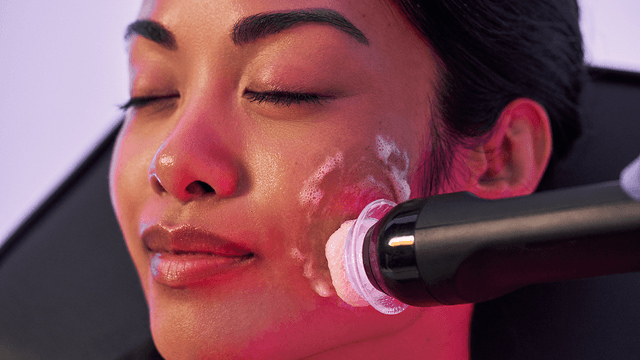
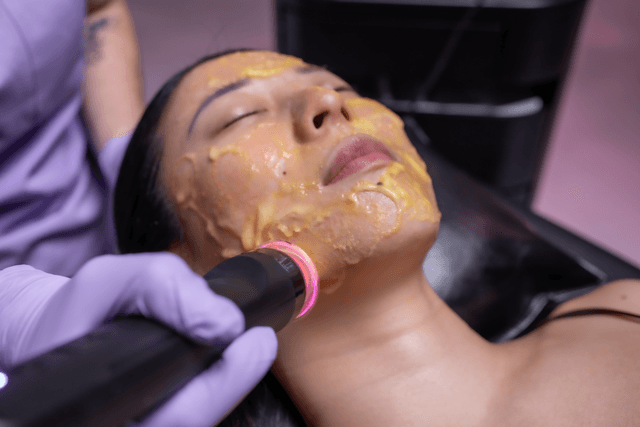
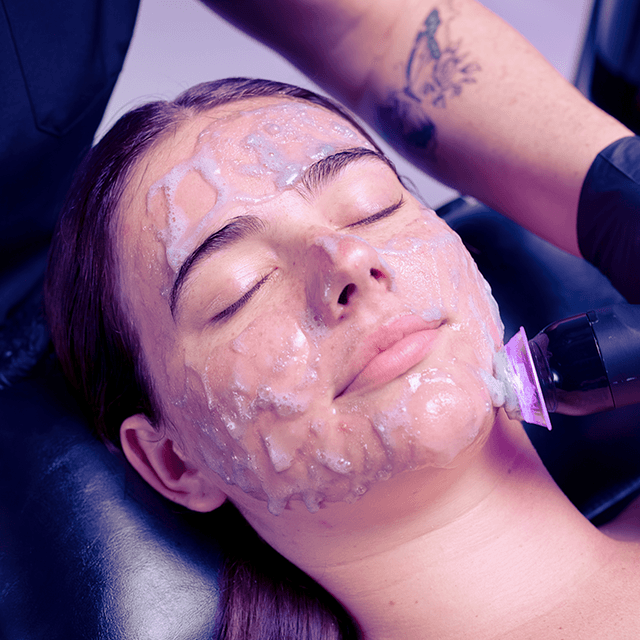
Why I Chose to Bring Glo₂Facial Into My Dermatology Practice
I am selective about the technologies I introduce into my practice. We evaluate many devices each year, but I only adopt those that address a real clinical need.
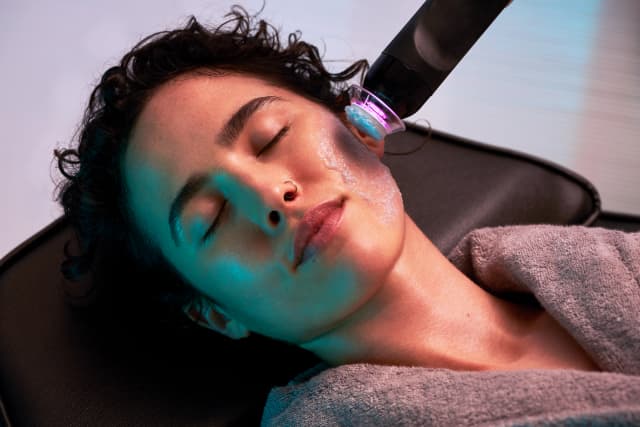
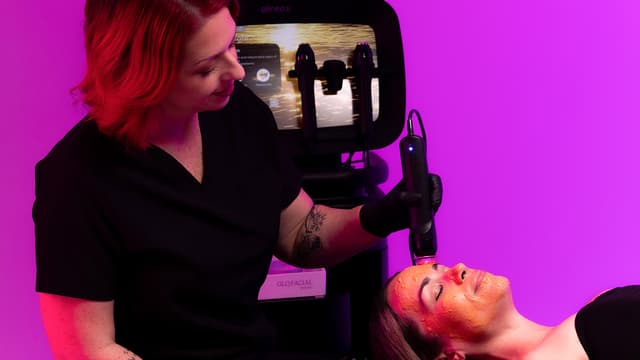
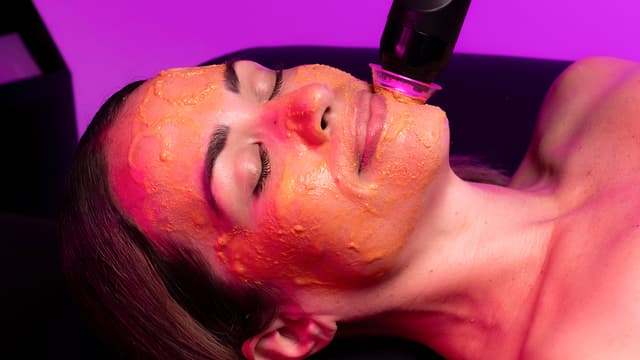
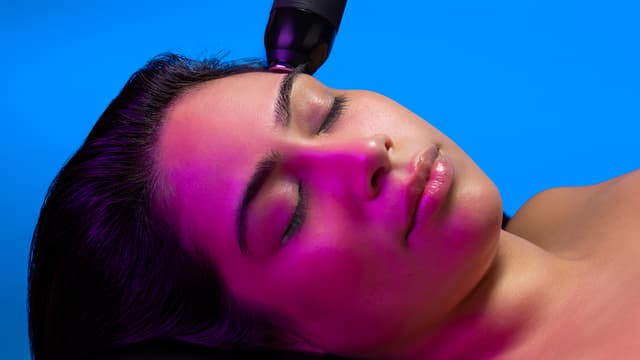
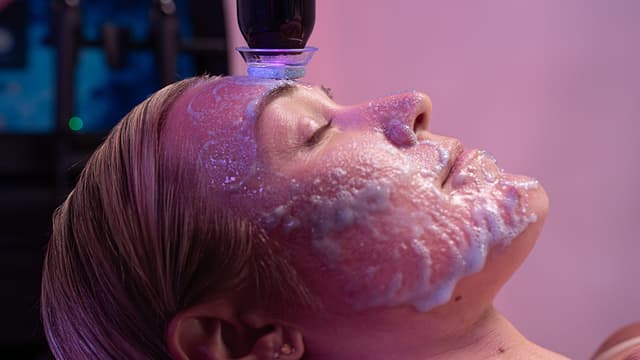
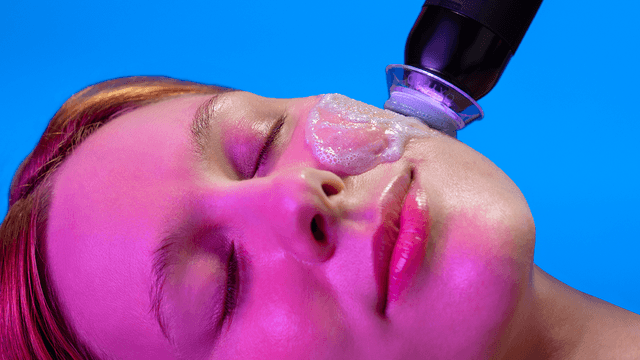
What stood out to me about this treatment was its ability to combine multiple modalities into a single experience that can be used in different ways throughout a patient’s skincare journey. Depending on the individual, it can function as a stand-alone treatment, a maintenance option, a finishing step after certain procedures, or a pre-event treatment with no downtime.
That flexibility matters because patients have different lifestyles, timelines, and tolerance for downtime. Just as importantly, patients enjoy the treatment, which is not always the case with effective aesthetic procedures.

Treatments Should Fit the Patient, Not the Other Way Around
One of the most common mistakes I see in aesthetic medicine is trying to make one treatment work for everyone. No single device or procedure is appropriate for every skin type, concern, or life stage.
I start every consultation by asking what bothers the patient most. I want to understand their priorities before making recommendations. From there, we consider goals, lifestyle, budget, and timing. Some patients prefer gradual, consistent treatments. Others want more intensive options spaced further apart. Both approaches can be appropriate when chosen thoughtfully.
The plan should fit the patient, not force the patient to fit the plan.
First consultations in my practice are intentionally thorough. I take time to understand not just skin concerns, but how patients feel about their appearance, their schedule, and their comfort level with different treatments.
I also try to remove pressure from the decision-making process. Patients do not need to decide everything in one visit. When people feel heard and supported, trust builds naturally. Often, that trust leads patients to feel more confident moving forward because they understand the reasoning behind the plan.
Pairing Treatments and Timing Considerations
When combining treatments, my primary consideration is skin health. I assess whether the skin barrier is intact, how well the skin is healing, and whether it is ready for additional stimulation. Timing varies depending on the procedure and the individual, and clinical judgment matters more than rigid rules.
In many cases, incorporating regenerative treatments as part of a broader plan helps enhance overall results and improves how patients feel during the recovery phase. When skin is healthier and better supported, it tends to respond more predictably and recover more efficiently.
Why Regeneration Appeals Across Age Groups
I see patients of all ages benefit from regenerative approaches, though for different reasons.
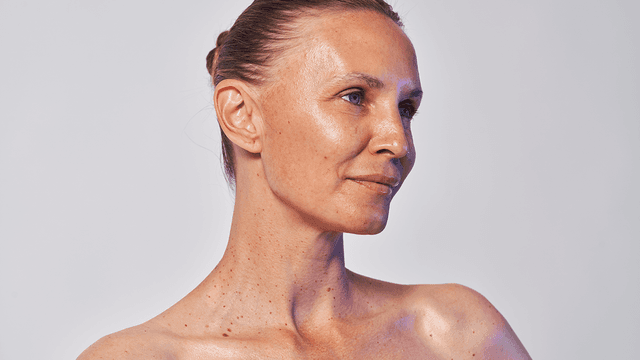
Younger patients often view these treatments as a meaningful, non-invasive step toward long-term skin health. Patients in their 30s and 40s are focused on supporting collagen and maintaining brightness as natural turnover slows. More mature patients appreciate how regenerative treatments help maximize the effectiveness of the skincare products they already invest in.
The goal is not to change the skin into something it is not, but to support it in becoming the healthiest version of itself. Here is how I explain Glo₂Facial to different patient age groups:
20s: a noninvasive “next step” that feels meaningful without being aggressive and a great way to begin collagen banking.
30s: supporting collagen as skin starts changing
40s–50s: improving dullness, glow, and visible vitality
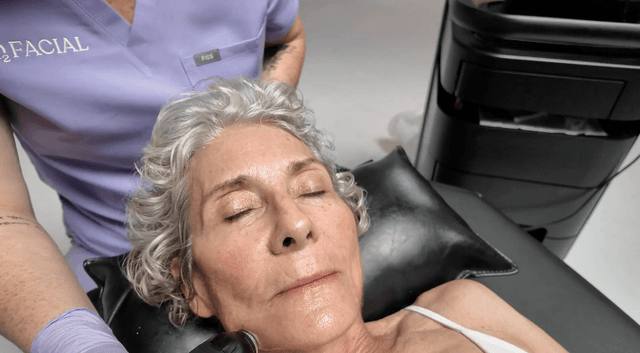
More mature skin: helping topicals perform better, maximizing the investment patients already make in skincare
Best Practices as a Dermatology Provider
Standing out as a provider does not require more aggressive selling or more complicated explanations. It requires time, thoughtfulness, and the ability to clearly explain why a recommendation makes sense for a specific patient.
When patients understand the plan and feel it was created with their individual needs in mind, trust follows. That trust leads to stronger relationships, better adherence, and more consistent outcomes over time.
Skin regeneration reflects where aesthetic dermatology is headed. It is less about doing more and more about doing what supports skin health in the long run.
About Dr. Marnie Nussbaum

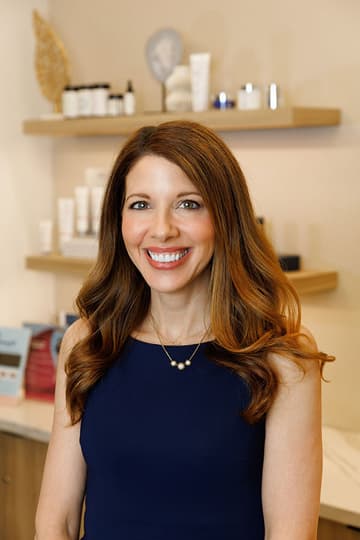
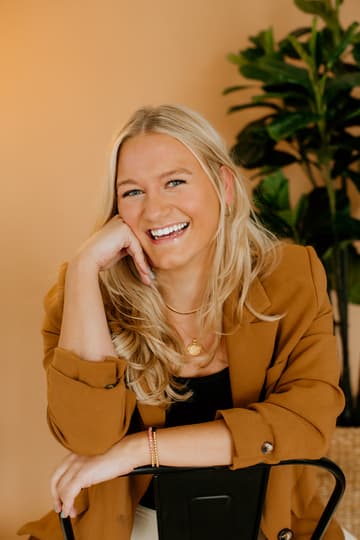
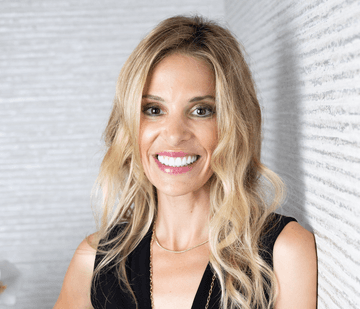
Dr. Marnie Nussbaum is a Board-Certified Dermatologist practicing in New York City, specializing in cosmetic and medical dermatology. She completed her dermatology training at Weill Cornell Medical College and has over 20 years of experience treating patients across all ages and skin types. With Dr. Marnie Dermatology & Aesthetics locations on the Upper East Side in Manhattan and the Hamptons, she is known for her science-driven, individualized approach. Dr. Nussbaum focuses on natural-looking results, long-term skin health, and treatment plans that respect the skin barrier. Her practice emphasizes prevention, maintenance, and regenerative strategies designed to support healthy skin over time. She has also developed a line of targeted, clinically proven products that support collagen production and extend the results of in-office treatments – find more at drmarnie.com
 by Dr. Marnie Nussbaum, NYC Dermatologist