
How They Work & Why They Matter
The word regenerative gets used frequently in aesthetics. But regeneration is not a trend term. It is a biological process.
Your skin is constantly repairing itself. Fibroblasts in the dermis produce collagen for strength, elastin for flexibility, and hyaluronic acid for hydration and volume support. When these systems function efficiently, skin appears firm, resilient, and luminous.
With age, those processes slow.
Collagen production begins declining in the mid-20s at roughly 1 percent per year. By the 40s, total collagen density may be reduced by 10–20 percent. Elastin fibers become fragmented. Natural hyaluronic acid production decreases. Fibroblasts become less active and less responsive to stimulation.
The visible result is a gradual loss of firmness, slower recovery, dullness, and fine lines.
Regenerative facials are designed to support and reactivate these biological systems rather than override them with aggressive resurfacing.
In 2026, this shift toward biological stimulation instead of surface trauma reflects a deeper understanding of skin physiology.
What "Does "Regenerative Facial" Actually Mean?
A regenerative facial is a non-invasive treatment designed to:
Stimulate collagen and elastin production
Improve dermal activity without significant injury
Support circulation and oxygen delivery
Reinforce barrier integrity
Deliver cumulative structural improvement
Unlike traditional facials that focus primarily on exfoliation, regenerative facials target processes within the dermis — where collagen and structural proteins live.
This is a fundamental difference.
Understanding the Skin: Why the Dermis Matters
To understand regenerative skin treatments, it helps to review the skin's anatomy.
The epidermis is the outer layer responsible for barrier protection. Many cosmetic treatments target this layer to improve brightness or texture.
The dermis sits beneath it. This is where:
Collagen fibers create strength
Elastin fibers allow recoil
Fibroblasts generate structural proteins
Microvasculature supplies oxygen and nutrients
Most visible aging changes originate in the dermis.
As fibroblast function declines, collagen fibers thin and disorganize. Studies show that aging fibroblasts demonstrate reduced proliferative capacity and diminished collagen synthesis. This biological slowdown contributes to:
Skin laxity
Thinner dermal structure
Fine lines
Decreased elasticity
Slower wound healing
Regenerative facials aim to safely and predictably stimulate fibroblast activity.
How Regenerative Facials Stimulate Fibroblasts
At the core of regenerative facials is controlled stimulation.
Controlled Thermal Energy
Many regenerative skin treatments use calibrated heat to warm the dermis gently. This heat is carefully delivered within therapeutic thresholds.
When fibroblasts experience controlled heating:
Existing collagen fibers contract slightly, resulting in subtle, immediate tightening.
The body interprets the thermal signal as a need for repair.
Fibroblasts increase production of collagen, elastin, and hyaluronic acid over time.
This process is called collagen remodeling.
The key is control. Excessive inflammation can degrade collagen. Measured stimulation activates repair without compromising the barrier.
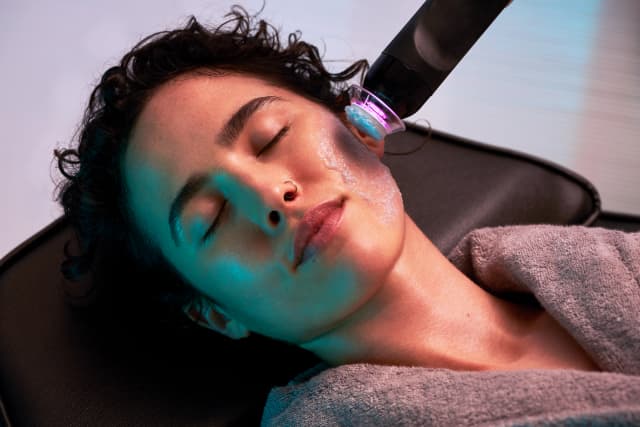
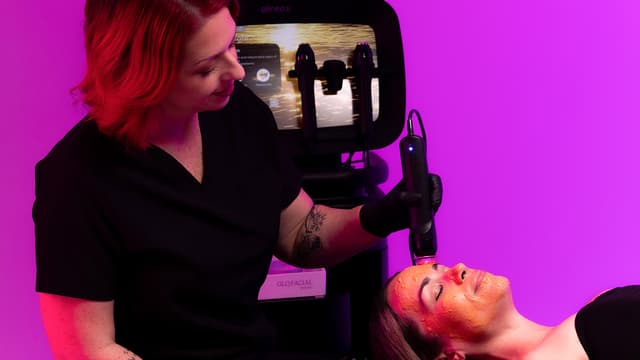
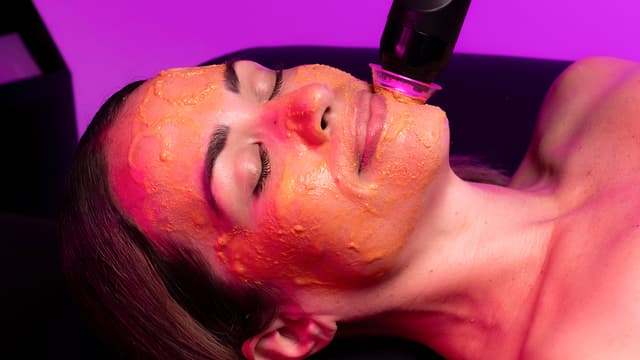
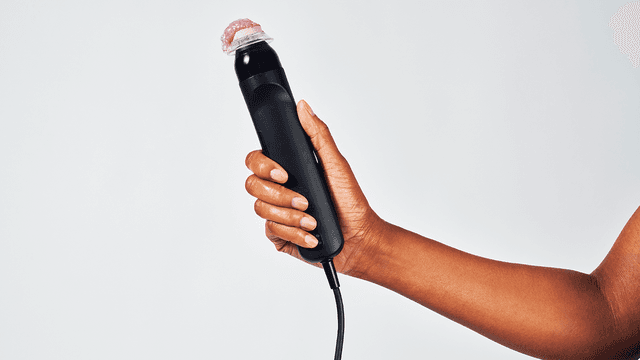
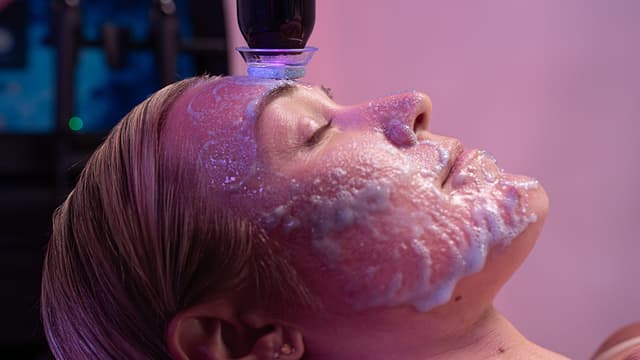
Radiofrequency technology is commonly used because it penetrates the dermis while preserving the epidermis. Systems like Glo₂Facial's RF Pro apply controlled thermal energy to encourage fibroblast activation without creating surface injury or extended downtime.
The goal is signaling, not damage.
Oxygenation and Circulatory Support
Improved microcirculation increases oxygen and nutrient delivery to skin cells.
Enhanced circulation:
Supports cellular metabolism
Encourages repair processes
Contributes to visible radiance
Healthy blood flow is often overlooked but plays a major role in skin vitality.
Targeted Infusion and Hydration
Once the skin is properly stimulated, targeted infusion of active ingredients enhances hydration and antioxidant protection.
Hydrated skin:
Maintains elasticity
Reflects light more evenly
Tolerates stimulation better
Repairs more efficiently
Endogenous hyaluronic acid production stimulated by fibroblast activation works in synergy with topical hydration.
Regeneration vs Aggressive Correction
It's important to clarify what regenerative facials are not.
They are not:
Deep resurfacing procedures
High-downtime treatments
Trauma-based interventions
Many traditional approaches rely on controlled injury to trigger repair. While effective in certain cases, repeated aggressive treatments can increase inflammation, compromise barrier integrity, and create unpredictable recovery patterns.
Regenerative facials differ because they emphasize controlled activation rather than disruption.
In modern aesthetics, there is growing awareness that chronic inflammation contributes to collagen degradation over time. Supporting dermal health without repeated trauma may offer more sustainable outcomes.
Regenerative Facial vs Hydrodermabrasion vs Microneedling
These treatments are often compared, but they function differently.
Regenerative Facial
Primary goal: Stimulate dermal activity and collagen production without significant injury.
Best for: Early aging, preventative care, maintenance between procedures.
Downtime: Minimal.
Biological impact: Activates fibroblasts and supports dermal remodeling.
Hydrodermabrasion
Primary goal: Surface exfoliation and cleansing.
Best for: Immediate glow and congestion.
Downtime: Minimal.
Biological impact: Primarily affects the epidermis. It improves brightness but does not significantly stimulate collagen remodeling and is not typically considered regenerative.
Microneedling
Primary goal: Trigger collagen production through controlled injury.
Best for: Acne scars and deeper wrinkles.
Downtime: Several days of redness.
Biological impact: Relies on inflammation to activate repair.
Regenerative facials stimulate collagen production while reducing inflammation, making them well-suited for ongoing care.
Who Is an Ideal Candidate for a Regenerative Facial?
Clients in Their 30s and 40s
Mild laxity
Fine lines at rest
Dullness
Early textural changes
Fibroblasts at this stage remain responsive to controlled stimulation.
Preventative Clients
Collagen decline begins in the mid-20s. Supporting dermal activity before significant structural loss helps extend skin resilience.
Sensitive or Barrier-Compromised Skin
Because regenerative treatments avoid aggressive resurfacing, they are often better tolerated by reactive or acne-prone skin.
Post-Laser or Post-Procedure Maintenance
Regenerative facials can support recovery and help maintain collagen stimulation between more intensive treatments.
Who May Need Additional Modalities?
Regenerative facials improve skin quality and elasticity. However, they may not fully correct:
Deep static wrinkles
Advanced laxity
Significant volume depletion
In those cases, they function best within a layered treatment plan.
What Results Can You Expect?
Regenerative facial results are cumulative and progressive.
Immediately after treatment:
Increased hydration
Improved glow
Mild temporary tightening
Within 2–4 weeks:
Gradual texture refinement
Slight improvement in elasticity
Enhanced skin resilience
After 3–6 treatments spaced 4–6 weeks apart:
Noticeable firmness improvement
Smoother skin texture
More even tone
Stronger dermal support
Collagen remodeling takes time. Fibroblasts do not produce structural proteins overnight.
How Long Do Results Last?
Maintenance is essential.
Because collagen production naturally declines with age, ongoing stimulation every 4–8 weeks helps sustain improvements.
Consistency produces more stable outcomes than aggressive one-time correction.
Why Regenerative Facials Matter Now
Clients today are increasingly seeking:
Natural-looking improvements
Minimal downtime
Long-term strategies
Skin health preservation
Aggressive correction may produce dramatic short-term changes. Regenerative facials emphasize cumulative improvement and dermal health.
The science behind regenerative facials is grounded in fibroblast biology and collagen remodeling.
By using controlled thermal stimulation to improve circulation and reinforce hydration, regenerative skin treatments encourage the production of collagen, elastin, and hyaluronic acid, strengthening the dermis over time. Regeneration is not about intensity. It is about intelligent stimulation.
Frequently Asked Questions
Are regenerative facials safe for all skin types?
Most regenerative treatments are suitable for a wide range of skin types because they prioritize controlled stimulation rather than surface trauma.
How often should you get a regenerative facial?
Most providers recommend every 4–6 weeks for optimal collagen support.
Can regenerative facials replace lasers?
They serve different purposes. Regenerative facials support dermal health and collagen stimulation. Lasers address pigmentation and resurfacing.
At what age should you start?
Preventive treatments often begin in the 30s. Maintenance becomes increasingly beneficial in the 40s and beyond.
 by Emma Grubaugh, Aesthetic Marketing Expert at Glo₂Facial