
You're already doing the work. Regular Botox appointments, a laser series, and a skincare routine that took years to dial in. You're not a passive consumer of aesthetics — you've done the research, you know the difference between a good injector and a great one, and you're thoughtful about what goes on and into your skin.
So why do results sometimes feel like they plateau?
The answer usually isn't the treatment itself. It's the infrastructure around it — the skin quality, the cellular environment, the baseline health of the tissue that every injection, laser, and active ingredient is working with. When that foundation is strong, treatments perform better. When it's compromised, even the best protocols underdeliver.
Here's how to build the kind of skin that gets the most out of every treatment you invest in.
Understand That Skin Quality Is a Multiplier
Most people focus on individual treatments as isolated outcomes: Botox softens expression lines, filler restores volume, and resurfacing lasers address texture. All of that is accurate. But the results you see — and how long they last — are directly influenced by the underlying quality of your skin.
Skin quality refers to a cluster of measurable characteristics: collagen density, elastin integrity, hydration at the dermal level, cell turnover rate, and barrier function. These aren't aesthetic abstractions. They're the structural conditions that determine how your skin responds to treatment, how well it heals, and how long improvements hold.
Think of it this way: injectables work with facial anatomy. Lasers create controlled injury to trigger repair. But both depend on a skin that can respond — that has the cellular machinery to remodel, regenerate, and retain results. If that machinery is sluggish, compromised, or underpowered, you're working harder for shorter gains.
The goal isn't to add more treatments. It's to make every treatment work harder.
Sequence Treatments Strategically
Timing matters more than most people realize, and not just the standard advice about avoiding the sun before a laser. The sequencing of your treatments — what you do before, between, and after high-intensity procedures — has a real impact on outcomes.
Before energy-based treatments: Skin that is well-hydrated and has an intact barrier responds better to laser and radiofrequency procedures. If you're going into a resurfacing appointment with a compromised barrier — from over-exfoliation, environmental exposure, or neglected hydration — you're starting at a deficit. Providers often see more post-procedure sensitivity and slower healing in patients whose skin is already stressed.
Between injectable appointments: The period between Botox or filler appointments isn't downtime — it's an opportunity. Collagen remodeling, lymphatic drainage, and circulation all influence how the tissue around injectable treatments ages and settles. Treatments that support those processes between appointments extend your results and improve skin quality over time.
After procedures: The repair window following any ablative or semi-ablative treatment is when the skin is primed to absorb and respond. This is not the moment for aggressive actives. It's the moment for barrier support, deep hydration, and ingredients that reinforce — not compromise — the healing process.
Take the Long View on Collagen
Collagen loss begins in your mid-20s at roughly 1% per year. By your late 30s and into your 40s, the effects become visible: skin that was once resilient and firm begins to show changes in density and elasticity that no topical can fully address.
This is not a reason for alarm — it's a reason for strategy.
Treatments that stimulate collagen production at the dermal level are among the highest-value investments in your skin health regimen. Radiofrequency, microneedling, and certain laser modalities all work through mechanisms that prompt the skin to produce new collagen. The distinction worth understanding is that these results are cumulative and delayed. A single treatment won't show its full impact for 8 to 12 weeks. A consistent series will outperform a sporadic single session by a significant margin.
If you're doing one collagen-stimulating treatment per year and wondering why you're not holding ground against natural aging, frequency is likely the variable. These treatments are designed for regular use—not as corrective interventions but as ongoing maintenance.
Don't Skip Lymphatic Support
Lymphatic circulation is one of the most underappreciated factors in skin quality and treatment outcomes. The lymphatic system is responsible for clearing metabolic waste, reducing inflammation, and regulating fluid balance in tissue. When lymphatic flow is sluggish, you see it: persistent puffiness, uneven tone, slower recovery after procedures.
For patients who use injectables regularly, lymphatic health is particularly relevant. Filler, by its nature, adds volume to tissue. Ensuring that surrounding lymphatic pathways are functioning well supports more even distribution and a more natural appearance over time.
Treatments that actively stimulate lymphatic circulation — whether through manual drainage techniques or technology-assisted approaches — are worth incorporating, especially if puffiness or slow post-procedure recovery is a pattern you've noticed.
Respect the Barrier, Always
The skin barrier — the outermost layer of the epidermis — is frequently treated as an afterthought in aggressive skincare and treatment regimens. It shouldn't be.
A compromised barrier doesn't just increase sensitivity. It actively undermines the absorption of the active ingredients you're spending money on, slows healing after procedures, and creates an environment of chronic low-grade inflammation that accelerates the very aging processes you're trying to address.
Signs of a compromised barrier are often misread as sensitivity or reactivity: stinging after serums that previously caused no reaction, persistent redness, and tightness that doesn't resolve with moisturizer. If this sounds familiar, barrier repair should be a priority before adding more actives or booking the next resurfacing appointment.
The most effective approach combines temporary simplification of your skincare routine with treatments that support barrier function directly — ceramide-rich formulations, ingredients like niacinamide that regulate skin lipids, and professional treatments that deliver barrier-supportive actives deeper into the skin where topicals have limited reach.
Think in Regimens, Not Appointments
The highest-performing aesthetic patients — the ones who consistently look better over time rather than cycling through corrections — share a common mindset: they think in regimens, not individual appointments.
An appointment is a single data point. A regimen is a system. It accounts for what you're doing to maintain skin quality between procedures, how your treatments are sequenced relative to each other, and how you're supporting your skin's ability to respond and regenerate.
This is the shift that separates patients who are perpetually chasing the same results from patients who are building on them. The goal of every treatment in the regimen should be clear: some are corrective, some are stimulatory, some are maintenance. When those categories are defined and sequenced deliberately, the cumulative effect exceeds what any single treatment can deliver.
Where Glo₂Facial Fits
For patients who are already invested in injectables, lasers, or energy-based devices, the question about adding another treatment to the rotation is always the same: what does it actually contribute?
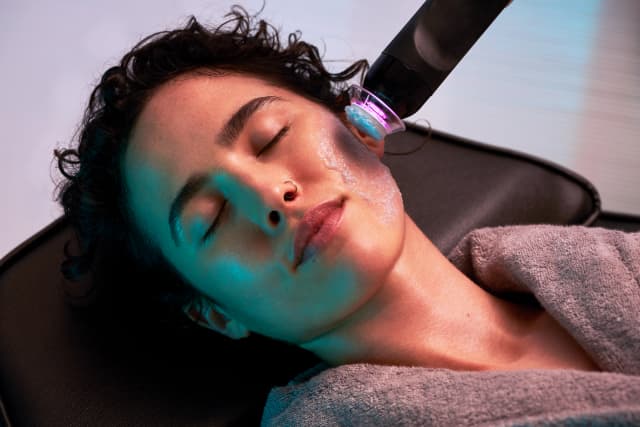
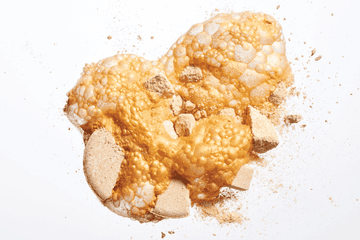
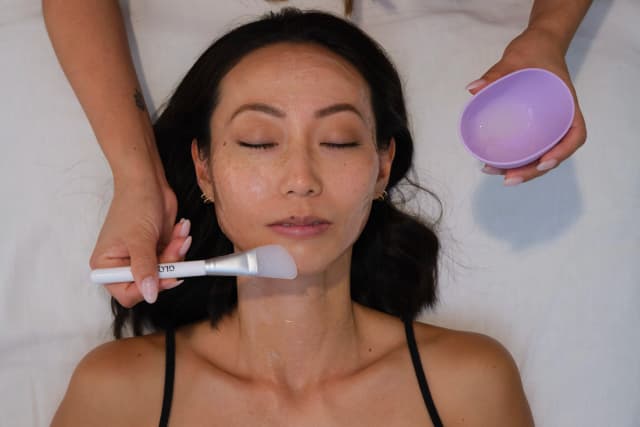
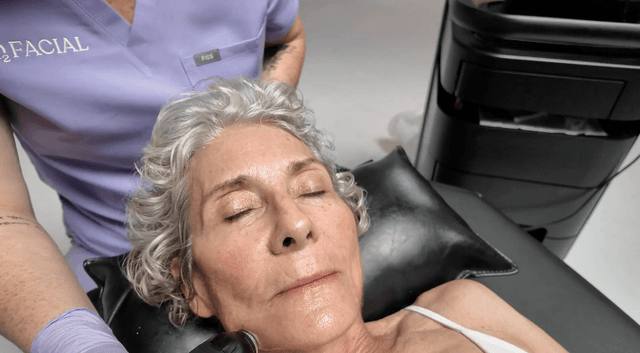
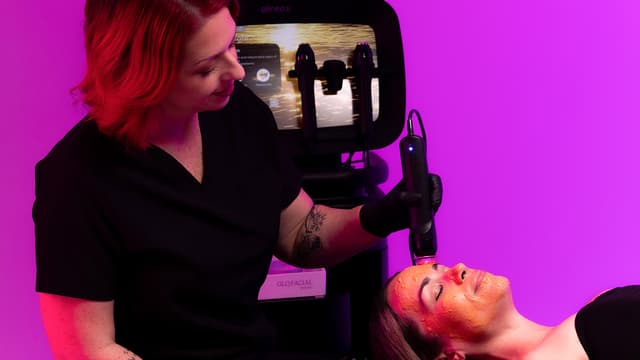
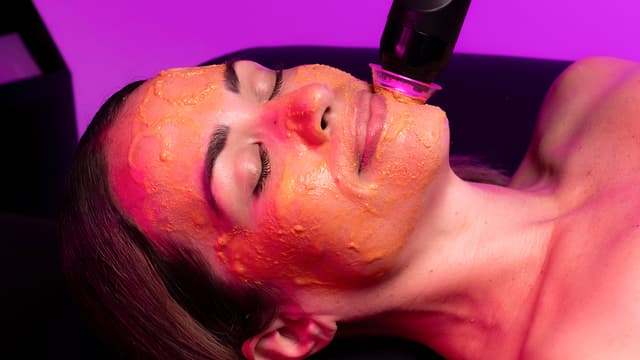
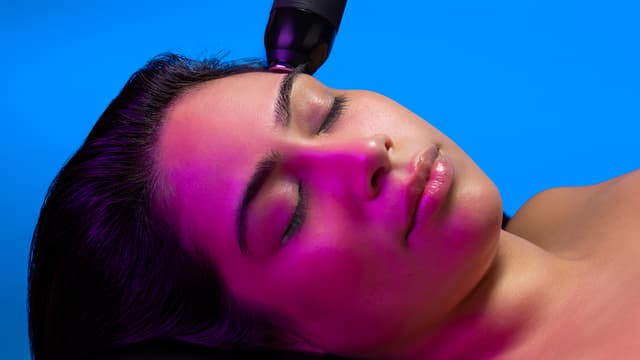
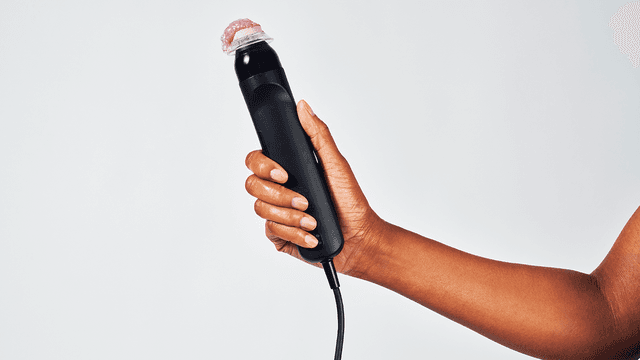
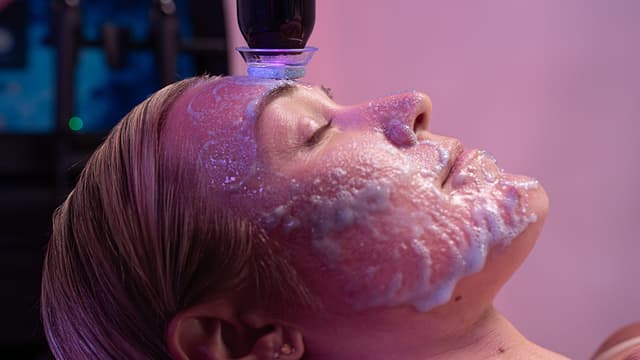
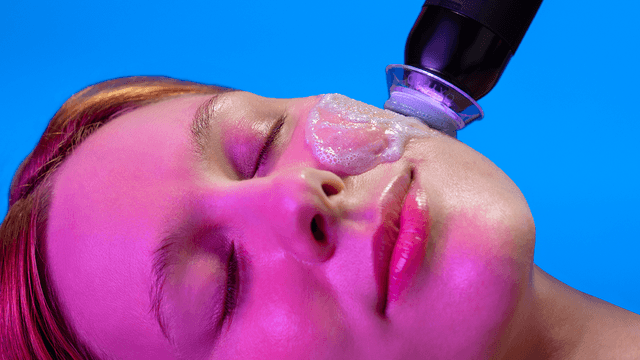
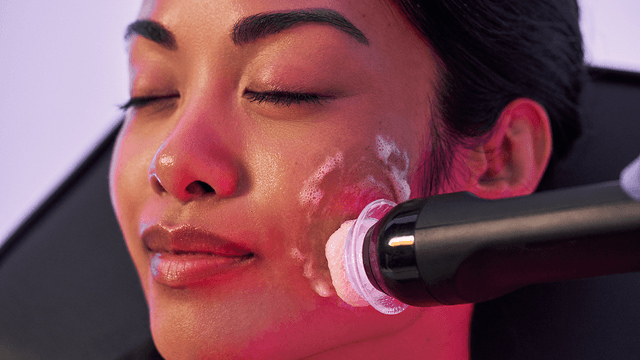
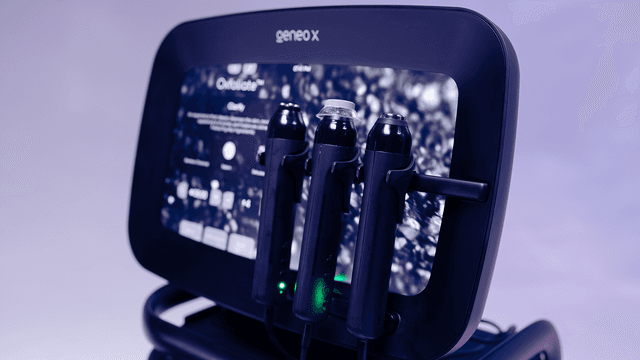
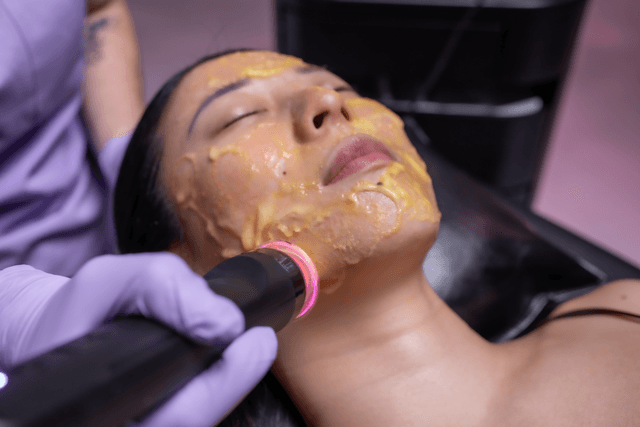
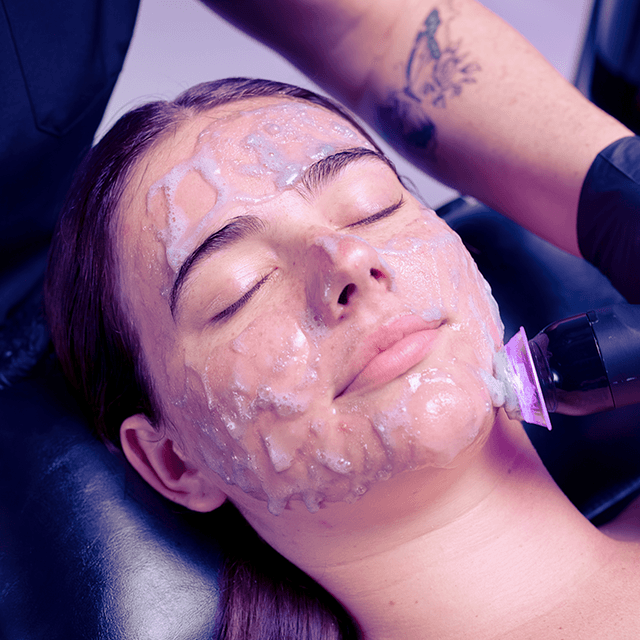
Glo₂Facial by Geneo works across four simultaneous mechanisms — radiofrequency to stimulate collagen at the dermal level, Oxfoliation™ to exfoliate while triggering internal oxygenation of the skin, ultrasound to enhance ingredient absorption, and lymphatic massage to reduce puffiness and support circulation. There's no downtime, which means it integrates into a treatment schedule without requiring recovery windows or spacing around other procedures.
The clinical value for patients who are already doing higher-intensity work is in the foundation it builds between those appointments: improved skin quality, supported collagen production, and a stronger barrier that makes every other treatment more effective. It's not a replacement for the procedures that are working. It's the infrastructure that makes them work better.
For patients who are serious about long-term skin health — not just managing what's already happened, but building skin that performs — it belongs in the rotation.
FAQ
How often should I get professional skin treatments for optimal results? For most patients doing a combination of injectables and energy-based treatments, a monthly maintenance treatment supports skin quality between higher-intensity appointments. Collagen-stimulating treatments specifically benefit from consistent scheduling over irregular one-off sessions.
Can I get a facial the same week as injections? It depends on the treatment. Non-invasive treatments that don't involve aggressive exfoliation, heat, or massage directly over injection sites can generally be done before injectables or after appropriate healing time. Your provider should map out sequencing based on your specific treatment plan.
Does skin quality actually affect how long injections last? Yes, indirectly. Skin with better collagen density, hydration, and structural integrity creates a healthier tissue environment. While filler longevity is primarily determined by product type and placement, overall skin health influences how the surrounding tissue responds and how results present over time.
What's the most important thing I can do between med spa appointments? Consistent SPF use remains the single highest-return daily habit for preserving results and slowing UV-driven collagen degradation. Beyond sun protection, a regimen that supports barrier function and skin hydration at the dermal level — not just surface moisture — creates the foundation that treatments build on.
Are no-downtime treatments worth it if I'm already doing lasers and injectables? Yes, for different reasons. High-intensity treatments address specific concerns at intervals. No-downtime treatments like Glo₂Facial fill the maintenance role — keeping skin quality elevated between procedures so that when you do your next laser or injectable appointment, you're starting from a stronger baseline.
 by Savannah Barrett, Medical Esthetician & Education at Glo₂Facial