
By Ashley Taylor, Master Aesthetician & Founder of Kismet Skin Co.
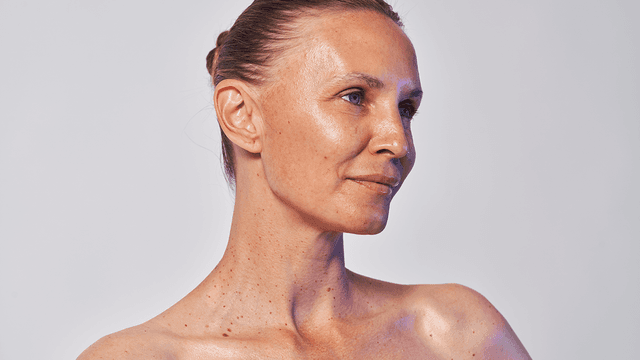
I've been a licensed master aesthetician for nearly 12 years. I opened Kismet Skin Co. two years ago in Washington, DC — a city that is, quite literally, the melting pot of the world. I treat teenagers, mature skin, and all ethnicities and backgrounds. My waitlist runs two to three months out. And I don't offer injectables.
That last point surprises people. But it's actually what taught me the most about building a profitable, loyal practice without chasing every device that lands in my inbox. When I added Glo₂Facial to my treatment menu, it wasn't because a rep talked me into it. It was because it passed every filter I've spent years refining. Here's exactly how I think about bringing new technology into my business — and what I'd tell any provider doing the same.
First, Narrow Your Filters Before You Take the Meeting
Reps are selling you something. That's not a criticism — it's just reality. So before you sit across from anyone, get clear on your non-negotiables.
Mine are simple:
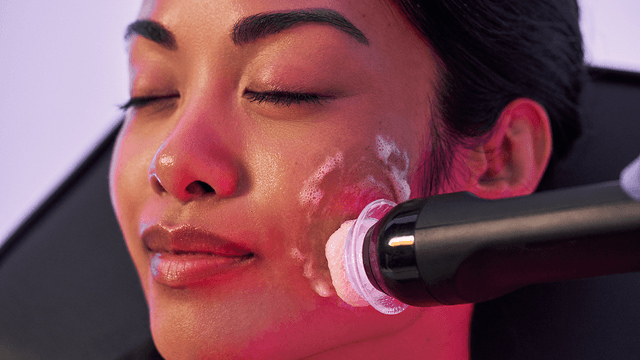
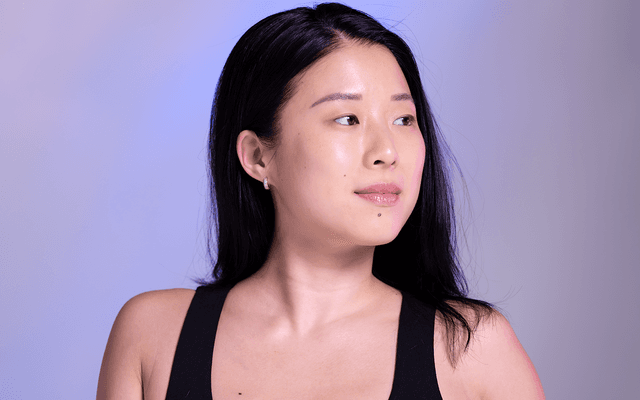
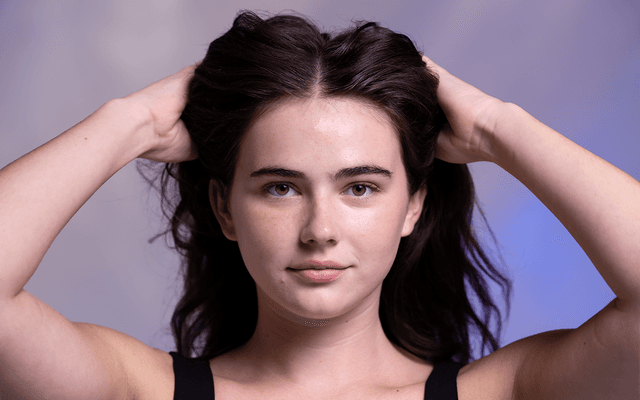
Can I use it on everyone? DC is diverse. If a device can't confidently treat melanin-rich skin, it doesn't align with my values, and it doesn't belong in my practice. Full stop.
Is it clinically sound, not just Instagram-famous? I see things go viral every week. That's not how I make purchasing decisions. I need to know if the science holds up.
Is it versatile? I can't invest in a single-condition device. I need something that treats acne, anti-aging, and hyperpigmentation, and everything in between, because that's who walks through my door.
Can I delegate it? Growth means training other aestheticians. If the learning curve is so steep that only I can perform it, that's a ceiling on my business.
Will it last? Trendy doesn't pay rent. I'm looking for longevity — a technology that will remain relevant and in demand three, five, or ten years from now.
When I demoed Glo₂Facial at a conference last September, it answered yes to every single one of these. That made the decision pretty easy.
Profitability Isn't Just About the Price Tag
Once a device clears my non-negotiables, I look at the full financial ecosystem — not just what the rep tells me I'll make.
The questions I actually ask: What are the consumables? How do I order them? What does it cost per treatment? What are people in my market charging for this? And does anyone else in my area already have it?
That last one matters more than people think. I'm the only provider in my part of Chevy Chase with Glo₂Facial. That's part of why I wanted it. If every practice on the block offers the same device, you're competing on price. I'd rather compete on differentiation.
Glo₂Facial's consumable cost is fixed at $34 — I know my margin going in, every single time. That's not the norm in this industry. Skincare and injectables typically run 40–50% margins, and they're often loss leaders. Facials with Glo₂Facial are closer to 90% margin, and — this is the part people underestimate — clients come back every four to six weeks. Lasers and microneedling are great treatments, but no one's booking them 12 months a year. Facials are. That repeatability is where you build real revenue.
How I Actually Use It in My Practice
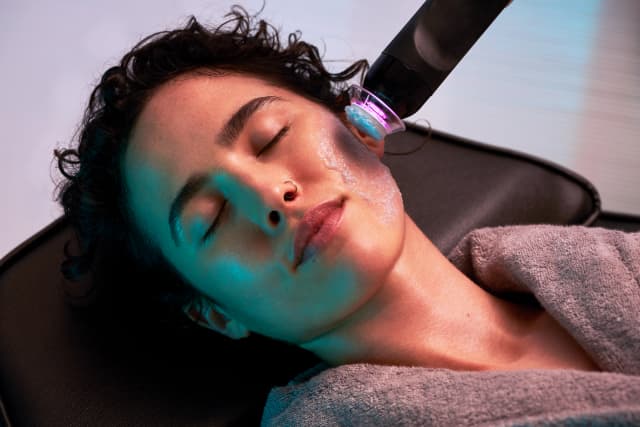
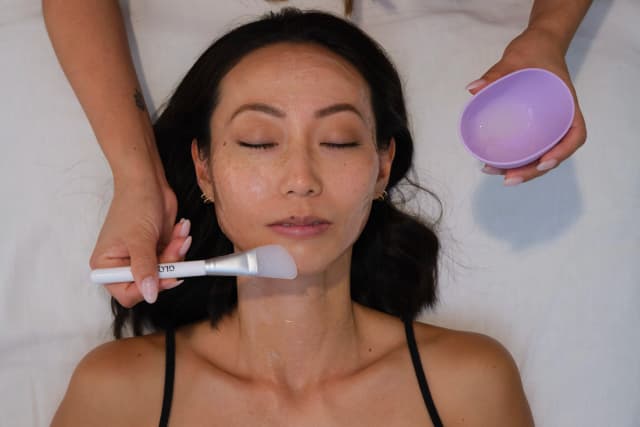
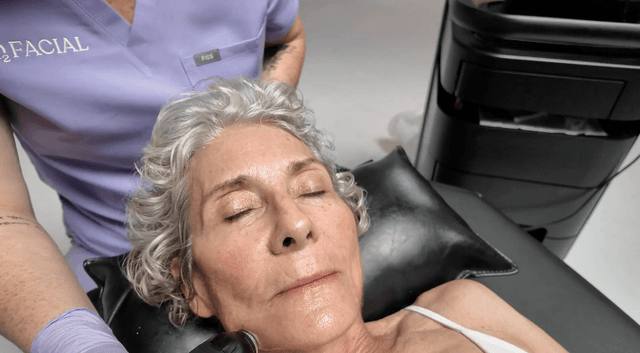
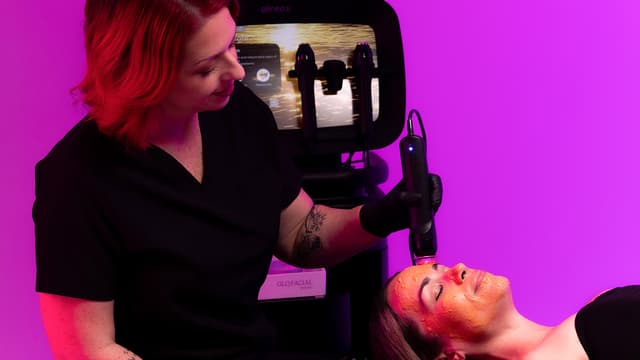
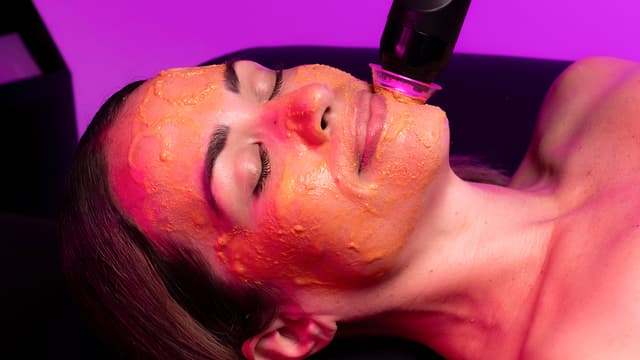
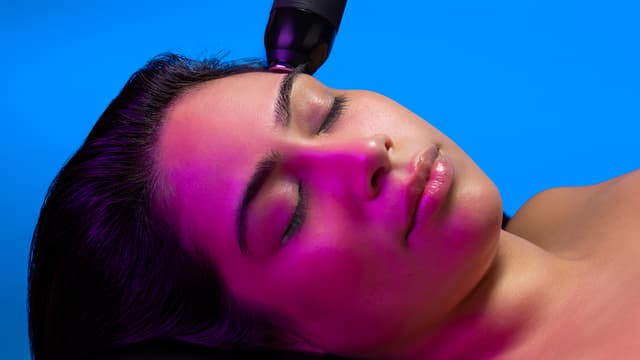
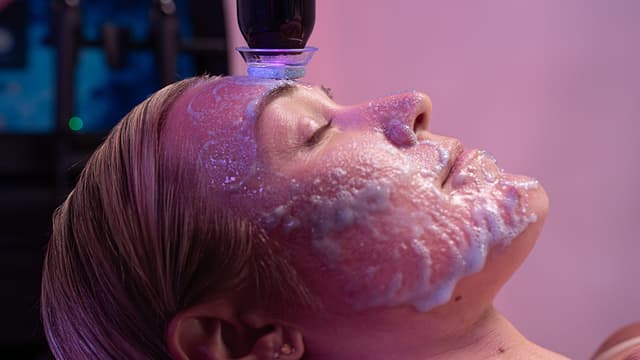
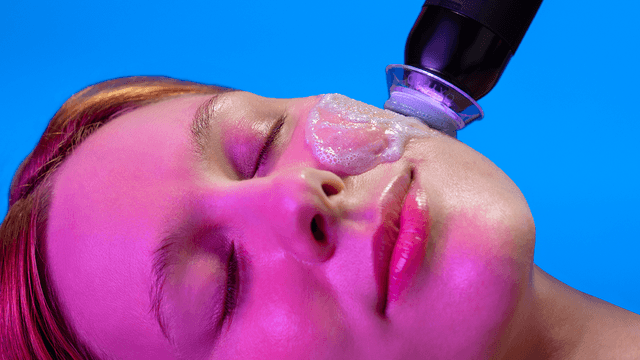
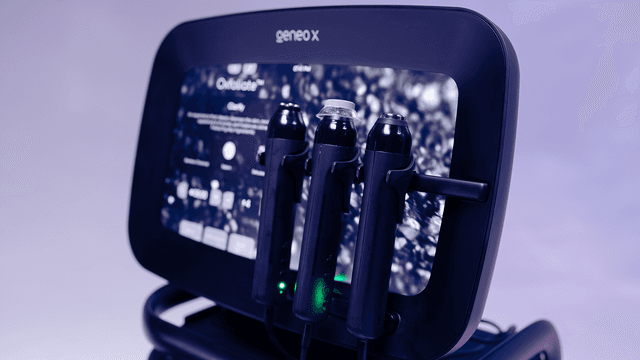
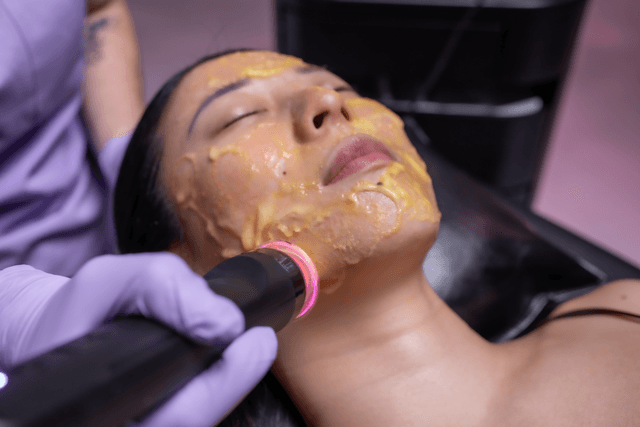
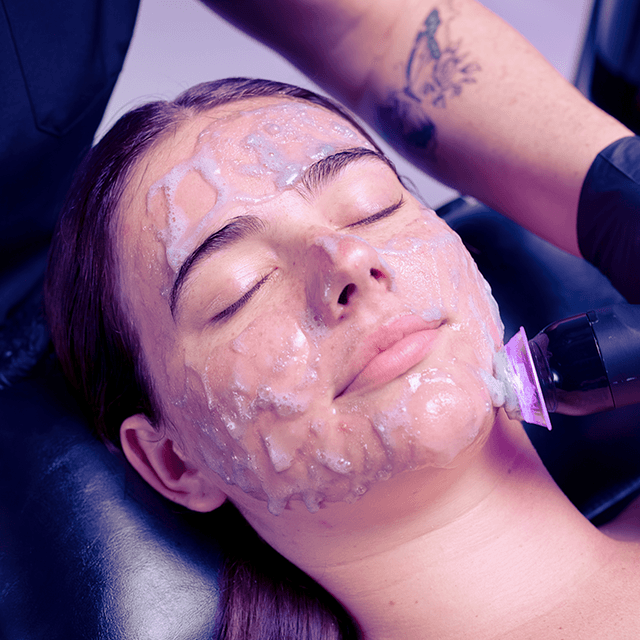
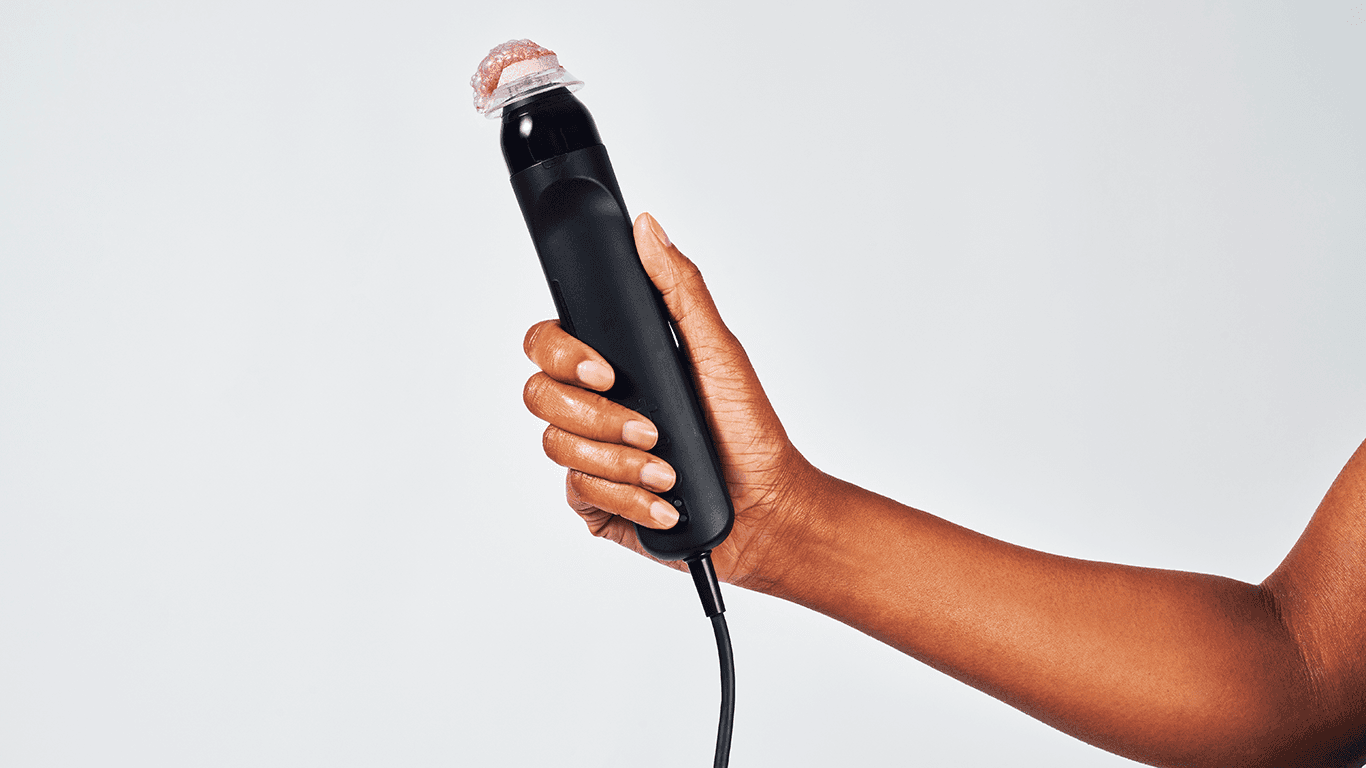
I don't have a traditional menu. Clients book time with me — a Kismet Curated Facial — and I treat what I see. If the skin is presenting with aging concerns and loss of firmness, RF Pro is going in. If I'm dealing with acne or congestion, I'm reaching for the Oxfoliation step and Ultrasound to drive actives into the tissue. The Glo₂Facial protocol adapts to the client, which is exactly how I think a thoughtful esthetician should work.
What I love about this device is that I use it modularly, not just as a single package. I'll add RF Pro onto a dermaplaning facial and charge more for it. I might do the Oxfoliation step for a client who needs it that day. I can increase my revenue per hour without adding significant time to the treatment — and the RF Pro handpiece is so relaxing that it can replace part of a massage sequence without clients even noticing they didn't get one. They're that comfortable.
I also use it as a skin health foundation before more advanced modalities. Microneedling, lasers — these perform better on properly oxygenated, healthy tissue. So I require new clients to start with a facial. I have to see how your skin responds, what it needs, and how it tolerates extractions. You don't get to book micro needling with me before I know your skin. That boundary is one of the reasons my clients trust me.
Regenerative Skincare Isn't a Buzzword — Here's How I Explain It
"Regenerative" is everywhere right now. Clients hear it and nod, but most don't know what it means. My job is to translate.
My go-to line: I'm not working the skin. I'm making the skin work.
That lands every time. Then I explain the Bohr effect in plain English — that we're triggering an oxygen cascade in the skin that continues to build for days after the treatment. When a client texts me five days later saying their skin looks even better than it did walking out, that's the biology doing exactly what it's supposed to. That's not a serum giving them a temporary glow. That's their skin functionally improving on its own.
I love that Glo₂Facial gives me something real to point to. The RF Pro step is building collagen, elastin, and hyaluronic acid — training the skin to behave more youthfully over time. The Oxfoliation step, which sounds strange but is basically effervescent exfoliation and oxygenation happening simultaneously, creates that surge of cellular energy. Ultrasound drives actives deep. And the Detox massage brings a fresh blood supply right after we've oxygenated. It's synergistic in a way I can actually explain, which means my clients understand why they're coming back.
On Memberships, Packages, and Discounting
I don't offer packages. I don't offer memberships. And I don't accept gratuity.
I know that's unusual. Here's my thinking: packages pressure providers to sell upfront rather than staying focused on what the client actually needs at each visit. Discounting facials signals to the market that your time and expertise aren't worth full price. And gratuity, in my practice, creates a dynamic I don't want. When clients ask where to add a tip, I tell them, " Your trust is the greatest tip. Come back. Leave a review. Buy the product.
What I've found is that when you're genuinely focused on doing right by someone's skin — and you say that out loud, clearly — they don't need to be sold a package. They keep booking. That's the waitlist. It's not a marketing strategy. It's what happens when people feel taken care of.
What to Ask a Rep Before You Sign Anything
I spent time as a device trainer before opening Kismet, so I've seen this from both sides. Here's what I'd ask before committing:
What are the consumables, and how do I order them exactly?
What happens if something breaks — what does support actually look like?
Do you offer financing?
What are providers in my market charging for this?
Does anyone else in my area already have it?
Notice what's not on that list: "How much money will I make?" A rep can tell you whatever they want. Run your own numbers. Take the consumable cost, look at your intended price point, factor in your expected volume, and make your own decision. That's your job as a business owner.
The Bigger Picture: Future-Proofing Your Practice
I learned something during COVID that I think about all the time. In a global pandemic — when we were told to stay apart — people still showed up for facials. Not just for their skin. For human touch. For connection. For someone who knew them and cared about how they were doing.
That's not going away. The practices that will thrive aren't the ones with the most devices. They're the ones with the deepest relationships.
My advice: stop chasing what everyone else has. Know your demographic. Know your bread-and-butter treatments. Know your clients' lives — their events, their stress levels, their skin goals — well enough to make the right call the day they walk in. Some days that means aggressive treatment. Some days, it means they need to feel rested, held, and taken care of, and you adjust accordingly.
Glo₂Facial fits into that approach in a way that very few devices do. It's versatile enough to treat almost anyone, customizable enough to meet each client where they are, and results-driven enough to keep them coming back. For me, that's the combination worth investing in.

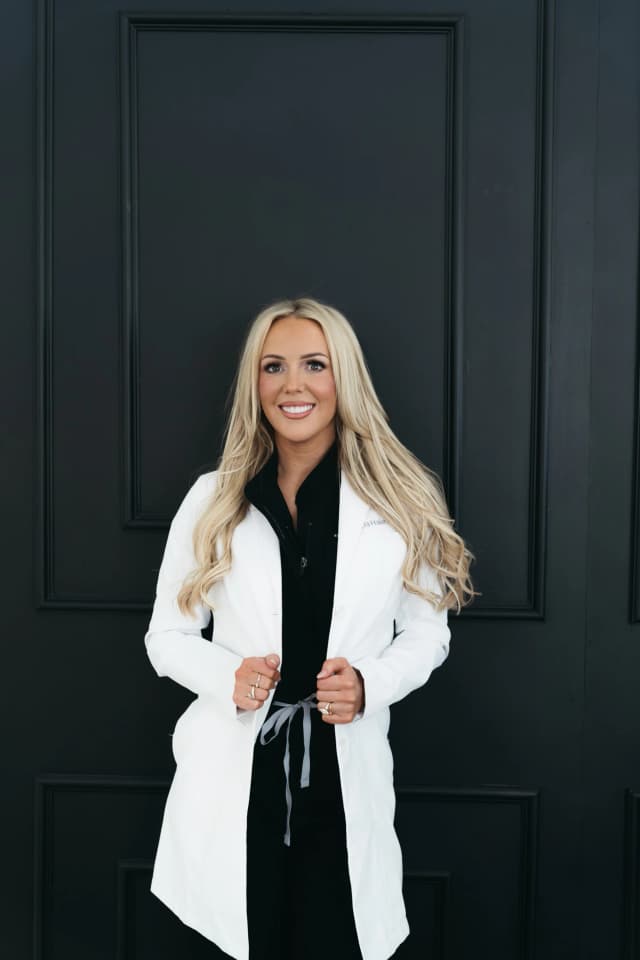
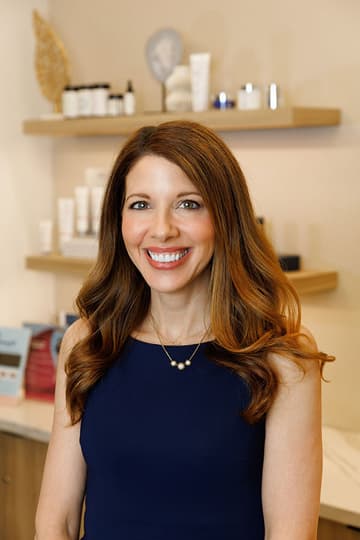
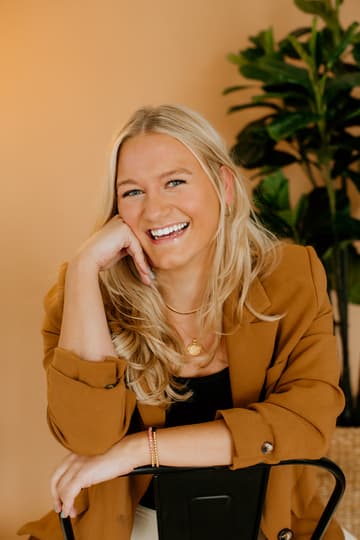
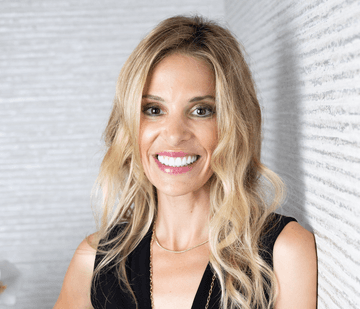
Ashley Taylor is a master aesthetician, certified laser technician, and founder of Kismet Skin Co., an award-winning boutique skincare studio in Washington, DC. With nearly 12 years in the industry, Ashley has earned DC's Best Facial two years running (2024 & 2025), been named a Dynamic Women honoree (2024 & 2025), and was named 2025 Aesthetician of the Year by Aesthetic Next and Aesthetic Record. Her services are booked three months out, with a 30+ person waitlist. Follow her on Instagram @aesthetician.ashley.
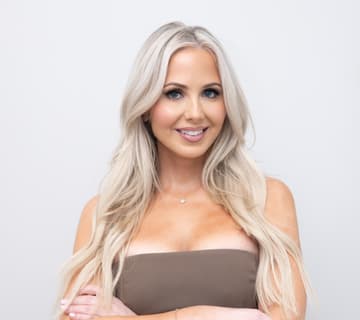 by Ashley Taylor, Master Aesthetician & Founder of Kismet Skin Co