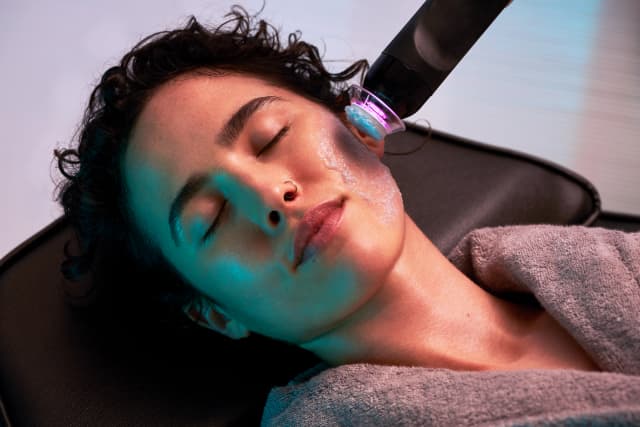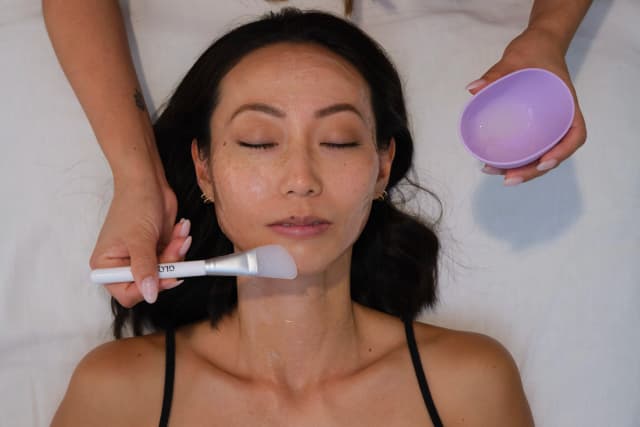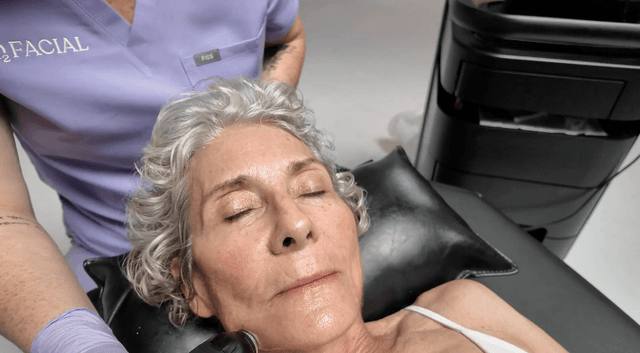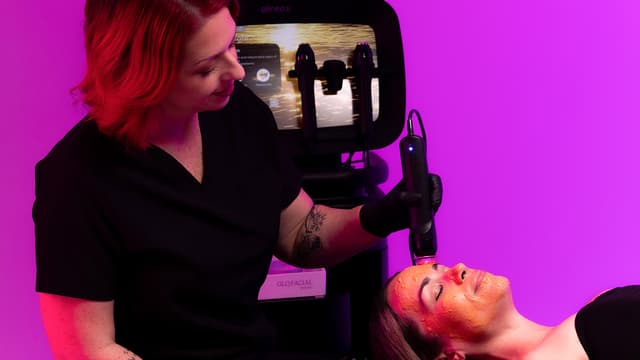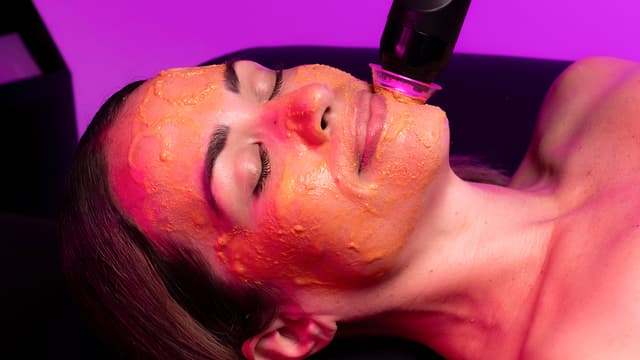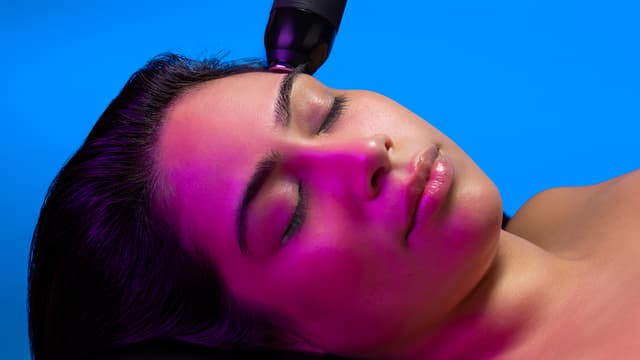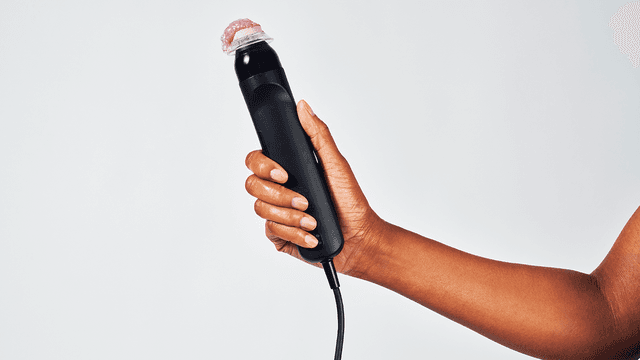

Both Glo₂Facial and Hydrafacial are multi-step, no-downtime facial treatments available at med spas and aesthetic practices across the country. Both are customizable. Both are designed for repeat use. And both have built strong patient followings.
But they work through different mechanisms, target different layers of the skin, and are built around different core goals. If you're deciding between them — or wondering whether they can work together — the place to start is the technology.
How Hydrafacial Works
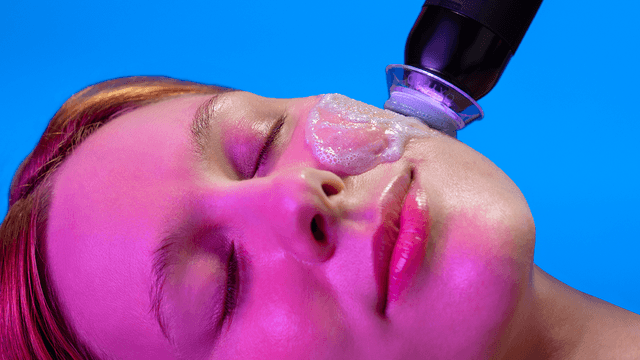
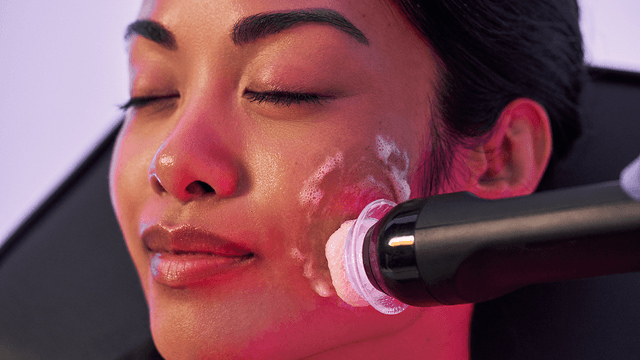
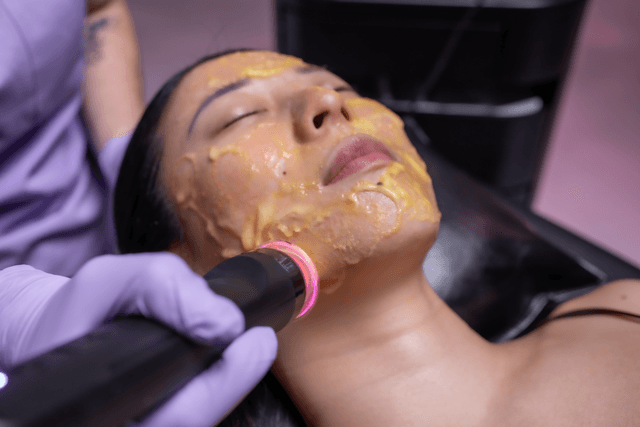
Hydrafacial is built around its proprietary Vortex-Fusion Technology — a delivery system that simultaneously cleanses, exfoliates, extracts, and infuses the skin using a controlled spiral vortex action.
The treatment works at the surface level. Patented technology cleanses, extracts, and hydrates with super serums made with nourishing ingredients. The vortex mechanism creates suction that loosens debris from pores while simultaneously infusing hydrating and active serums into the skin.
Hydrafacial treatments work by delivering up to seven therapies in a continuous, customizable process. Instead of switching between tools or pausing between steps, each phase connects seamlessly to the next. Depending on the version of the treatment, those therapies can include lymphatic drainage, microdermabrasion, exfoliation, extraction, serum infusion, and LED light therapy.
Hydrafacial's primary positioning is around immediate visible results. In as little as one treatment, patients see improvements in the appearance of skin quality, tone, and texture. The brand describes its signature outcome as the "Hydrafacial glow" — visibly hydrated, plump, and brighter skin immediately post-treatment.
How Glo₂Facial Works
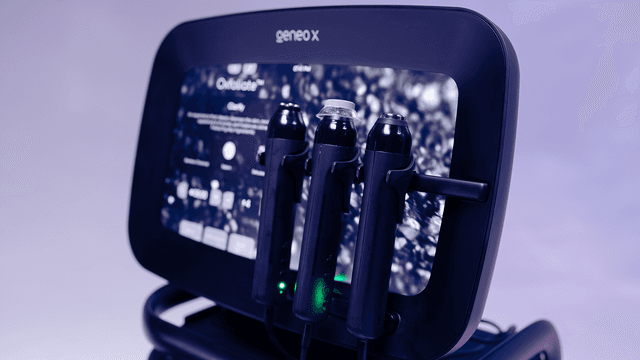
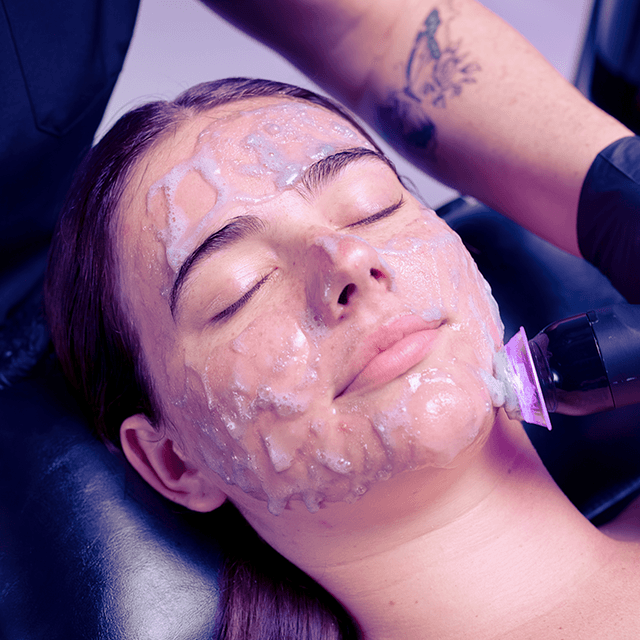
Glo₂Facial combines four distinct technologies — RF Pro, Oxfoliation™, Ultrasound, and Detox — each operating through a different mechanism and targeting a different layer of the skin.
RF Pro uses radio frequency energy to target the dermal layer, stimulating collagen production, restoring elastin, and addressing mild to moderate fine lines and wrinkles. This is structural work — it addresses the integrity of the skin from within, not surface hydration.
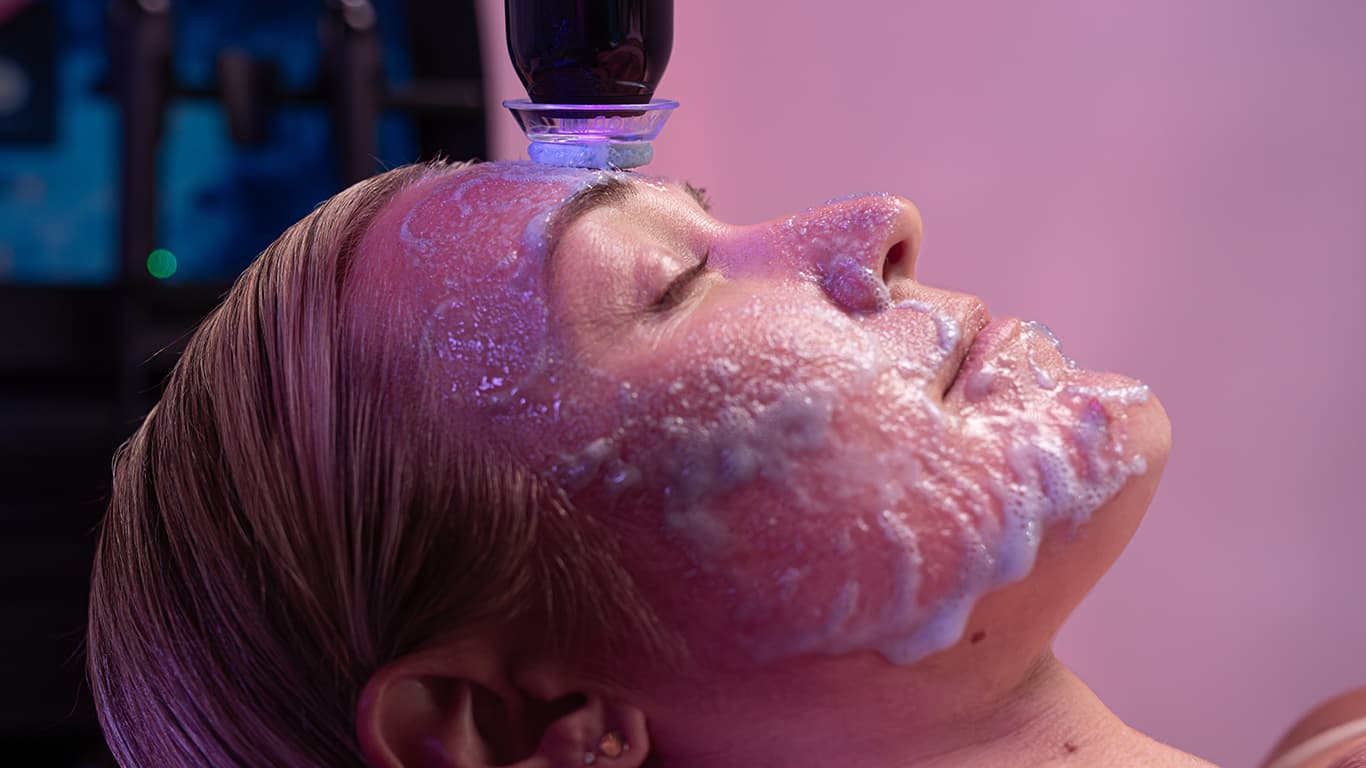
Oxfoliation™ is Glo₂Facial's patented technology and the most mechanistically distinct element of the treatment. It creates a CO2-rich environment on the skin's surface, triggering the body's physiological response — the Bohr effect — to send increased oxygen to the area internally. This is fundamentally different from topical infusion: it uses the body's own biology to oxygenate the skin from within, while simultaneously exfoliating the surface. The result is an optimized environment for active ingredient absorption and cellular function.
Ultrasound uses micro-vibrations to enhance skin permeability and ingredient penetration, making it an effective delivery mechanism for the treatment's serums.
Detox uses a hands-free massage technique to promote lymphatic circulation, reduce puffiness, and support the skin's natural drainage function.
Each treatment is customized using one of eight OxyPods — ranging from Hydrate and Protect at the lower intensity end, to Brighten, Refine, and Smooth at the higher end — matched to the patient's specific skin concern. All OxyPods use all-natural ingredients and meet EU standards.
Glo₂Facial's positioning centers on Total Skin Regeneration — long-term improvement in skin quality, firmness, and health, designed for repeat treatments and built to complement injectables, lasers, and surgical procedures. Each treatment leaves the skin with a natural, radiant glow with regenerative results.
Where Glo₂Facial and Hydrafacial Technologies Differ
The most meaningful difference between these two treatments is the layer of skin each one primarily addresses and the mechanism each uses to do it.
Hydrafacial operates primarily at the surface — cleansing, extracting, and infusing serums through a vortex suction system. Its strength is in immediate skin clarity, hydration, and the removal of surface congestion. The more you go, the more you glow. Each session builds on the last. HydraFacial's cumulative benefit comes from consistent maintenance of the skin's surface environment.
Glo₂Facial operates at multiple levels simultaneously. RF Pro targets the dermis for structural collagen remodeling. Oxfoliation triggers internal oxygenation rather than applying anything topically. Ultrasound works on skin permeability. Detox addresses circulation. The cumulative benefit is aimed at skin quality and firmness over time — structural improvement rather than surface maintenance alone.
The second key difference is the inclusion of radio frequency. Hydrafacial does not include an RF component. Glo₂Facial's RF Pro is a core part of every treatment, targeting collagen and elastin at the dermal level. For patients whose primary concern is firmness, laxity, or skin density — not just hydration and clarity — that distinction is clinically relevant.
The third difference is the oxygenation mechanism. Hydrafacial infuses serums and antioxidants topically. Glo₂Facial's Oxfoliation triggers the body's own oxygenation response from within. These are different biological processes with different effects on the skin's cellular environment.
What Glo₂Facial and Hydrafacial Have in Common
Both are no-downtime treatments designed for regular use. Neither requires recovery, and both are compatible with active schedules.
Both are customizable. Hydrafacial uses boosters — concentrated serums targeting specific concerns — to personalize each session. Glo₂Facial has multiple customizations to match treatment intensity and active ingredients to the patient's skin.
Both are designed to work alongside other aesthetic treatments. Hydrafacial treatments work synergistically with other treatments, amplifying their results. Glo₂Facial is similarly designed to complement injectables, lasers, and surgical procedures rather than compete with them.
Both have no meaningful downtime, broad skin type compatibility, and strong provider networks. Both leave the skin with a great glow and that “glass skin” effect.
Choosing Based on Your Skin Goals
The right choice depends on what your skin actually needs.
If your primary goals are hydration, pore clarity, and surface brightness — and you want an immediately visible result after a single session — Hydrafacial is purpose-built for that. It's widely available and has a strong track record for consistent surface-level improvement.
If your goals include firmness, skin barrier improvement, and long-term structural improvement — or if you're already investing in injectables and lasers and want a treatment that supports that work at the dermal level — Glo₂Facial's multi-modality approach addresses those concerns more directly while still providing a hydrating glow. The RF Pro component alone targets collagen remodeling that surface-focused treatments don't reach.
If you want a single treatment that addresses skin quality across multiple layers simultaneously — oxygenation, collagen stimulation, ingredient infusion, and lymphatic support — Glo₂Facial's four-technology protocol is designed around exactly that.
If you're newer to aesthetic treatments and looking for an accessible entry point with broad availability, Hydrafacial's footprint and familiarity make it easy to access almost anywhere.
These aren't mutually exclusive choices. Both treatments can coexist in a well-designed skin protocol. Some providers offer both, using each for different indications — Hydrafacial for surface maintenance and congestion management, Glo₂Facial for structural skin quality work and injectable support.
Can You Do Both Glo₂Facial and Hydrafacial?
Yes, and some patients do. They serve different primary functions, which means they don't compete directly within a protocol — they can be sequenced based on skin goals, treatment timing, and provider guidance.
Neither treatment creates a wound or requires significant recovery, which means the logistical barriers to combining them are low. The more relevant question is whether both are necessary for your specific skin concerns, or whether one addresses your goals more completely.
Frequently Asked Questions
Is Glo₂Facial or Hydrafacial better for anti-aging?
They target aging through different mechanisms. Hydrafacial addresses surface hydration, texture, and the use of boosters with ingredients like growth factors and peptides. Glo₂Facial includes RF Pro, which targets collagen and elastin production at the dermal level — the structural layer where laxity and firmness originate. For patients whose primary aging concern is firmness and skin density, the RF component is a meaningful distinction.
Which treatment is better for acne-prone skin?
Both offer options for acne and congestion. Hydrafacial's extraction step physically clears pore congestion, and its blue LED option targets acne-causing bacteria. Glo₂Facial's Clarify OxyPod uses bamboo charcoal and lactic acid for oily and acne-prone skin. The best choice depends on whether the primary concern is active congestion and extraction (Hydrafacial's strength) or overall skin quality and inflammation management alongside acne treatment (Glo₂Facial's approach).
How often should I get each treatment?
Both are designed for regular use. Monthly treatments are a common protocol for both. Because neither creates a wound-healing response, there is no minimum recovery interval between sessions.
Does Hydrafacial include radiofrequency?
No. Hydrafacial's core technology is Vortex-Fusion — a suction-and-infusion system. RF is not part of the standard Hydrafacial protocol, though some providers offer RF as a separate add-on treatment in the same session.
Does Glo₂Facial include extractions?
Glo₂Facial's Oxfoliation step exfoliates the skin surface and the Clarify OxyPod specifically targets oily and congested skin, but the treatment does not use suction-based extraction the way Hydrafacial does. Patients with significant active comedone congestion may benefit from a targeted extraction treatment alongside or before Glo₂Facial.
Both treatments have a legitimate place in modern aesthetic medicine. The right one for your skin depends on what you're trying to accomplish — and ideally, a provider who can assess your skin and build a protocol around your specific goals, not just what's available on the menu.
 by Glo₂Facial