
If you've spent any time researching skin treatments, you've likely encountered all three: microneedling, radio frequency (RF), and oxygen facials. Each has a legitimate body of evidence behind it. Each targets different layers of the skin through different mechanisms. And each attracts a different patient profile.
The problem isn't that the information isn't out there. It's that most of it conflates surface-level results with structural skin improvement — or treats these treatments as interchangeable when they aren't. If you're already spending on injectables and lasers and want your skin to look better for longer, understanding the actual mechanism behind each option matters.
This guide breaks down how each treatment works, what it can and can't do, and how to match the modality to your actual skin goals.
What Microneedling Actually Does
Microneedling creates controlled micro-injuries in the skin using fine needles, typically penetrating 0.5mm to 2.5mm into the dermis, depending on the device and indication. The injury triggers the skin's wound-healing cascade — collagen and elastin production are stimulated as the skin repairs itself.
The result, with a proper series, is measurable improvement in skin texture, mild to moderate laxity, acne scarring, and pore appearance. The mechanism is well-studied. Multiple randomized controlled trials support its efficacy for scarring and skin rejuvenation.
What it's good for: Acne scars, textural irregularities, mild laxity, enlarged pores, stretch marks.
What it requires: Downtime is real. Expect 24–72 hours of redness, and in some cases peeling or sensitivity. The skin is wounded, by design. That means post-treatment protocols matter, and timing around other treatments — sun exposure, retinoids, injectables — needs to be carefully managed.
Who it's best for: Patients who have specific textural concerns, acne scarring, or more pronounced signs of aging and are willing to tolerate recovery. It performs well as a periodic treatment rather than a high-frequency monthly regimen.
What to know: Not all microneedling devices are equal. Standard microneedling differs from RF microneedling (which adds thermal energy to the equation). If a provider isn't differentiating between the two, that's a flag worth noting.
What Radio Frequency Actually Does
Radio frequency works differently. Instead of injuring the surface, RF delivers electromagnetic energy into the dermal and subdermal layers, generating heat. That thermal energy triggers immediate collagen fiber contraction and, over weeks, stimulates new collagen synthesis through a process called neocollagenesis.
RF is primarily a firmness- and laxity-treatment modality. It addresses the dermis and, depending on the device, the deeper structural layers that give skin its support. This is why RF tends to be the go-to recommendation for patients noticing sagging, loss of definition, or reduced skin density — concerns that surface-level exfoliation will never touch.
Importantly, RF does not depend on creating a wound. It works by heating tissue within a controlled temperature range, which means when delivered correctly, it requires little to no downtime. Some monopolar and bipolar RF devices can cause temporary redness or mild swelling, but this typically resolves within hours.
What it's good for: Firmness, laxity, skin density, fine lines and wrinkles, jawline definition, skin quality over time.
What it requires: Results build progressively. A single session delivers some immediate collagen contraction, but the full benefit of neocollagenesis unfolds over 3–6 months. Series-based treatment and maintenance are part of the protocol.
Who it's best for: Patients in their mid-30s and beyond who are noticing skin laxity, loss of firmness, or want to extend the results of injectables and surgical work. Also ideal for patients who want a regular, no-downtime treatment that supports long-term skin structure.
What to know: RF safety and efficacy vary significantly by device. Energy delivery, frequency, depth of penetration, and handpiece design all affect outcomes. Consumer-grade RF devices are not equivalent to professional systems.
What Oxygen Facials Actually Do — and Where the Category Gets Complicated
"Oxygen facial" is a broad term that gets applied to a range of treatments with very different mechanisms. At one end are simple oxygen-infusion treatments that spray pressurized oxygen and serums onto the skin surface. These typically produce a temporary brightening effect — improved hydration and circulation — but don't deliver structural improvement. They're a category of their own.
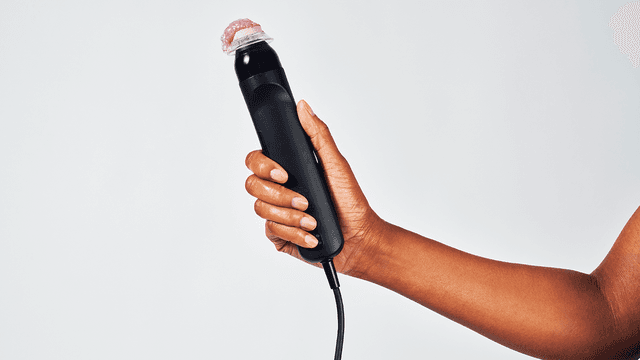
At the other end is a more clinically sophisticated approach to oxygenation: using the body's own physiological response to trigger increased oxygen delivery internally. This is the mechanism behind Glo₂Facial's patented Oxfoliation™ technology, which is meaningfully different from a generic oxygen facial.
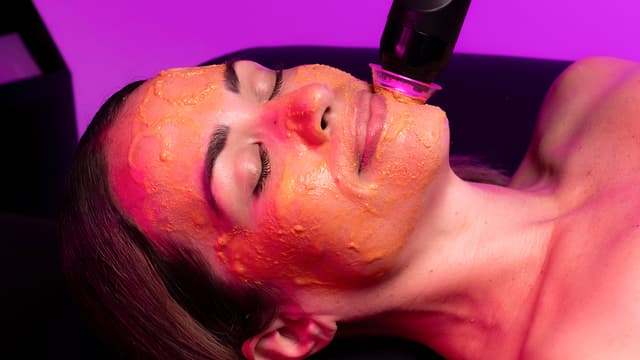
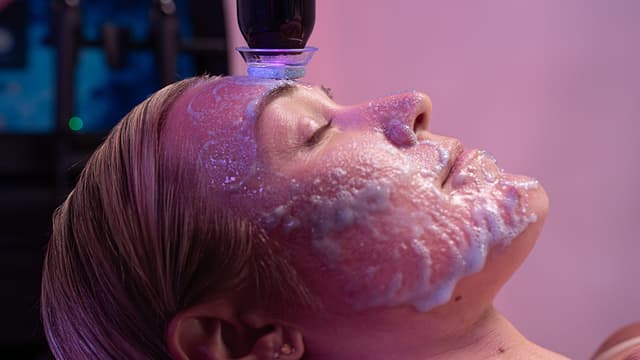
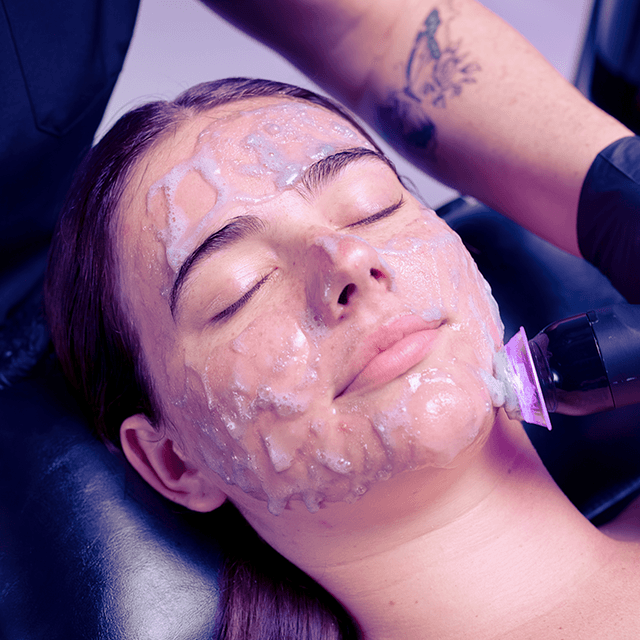
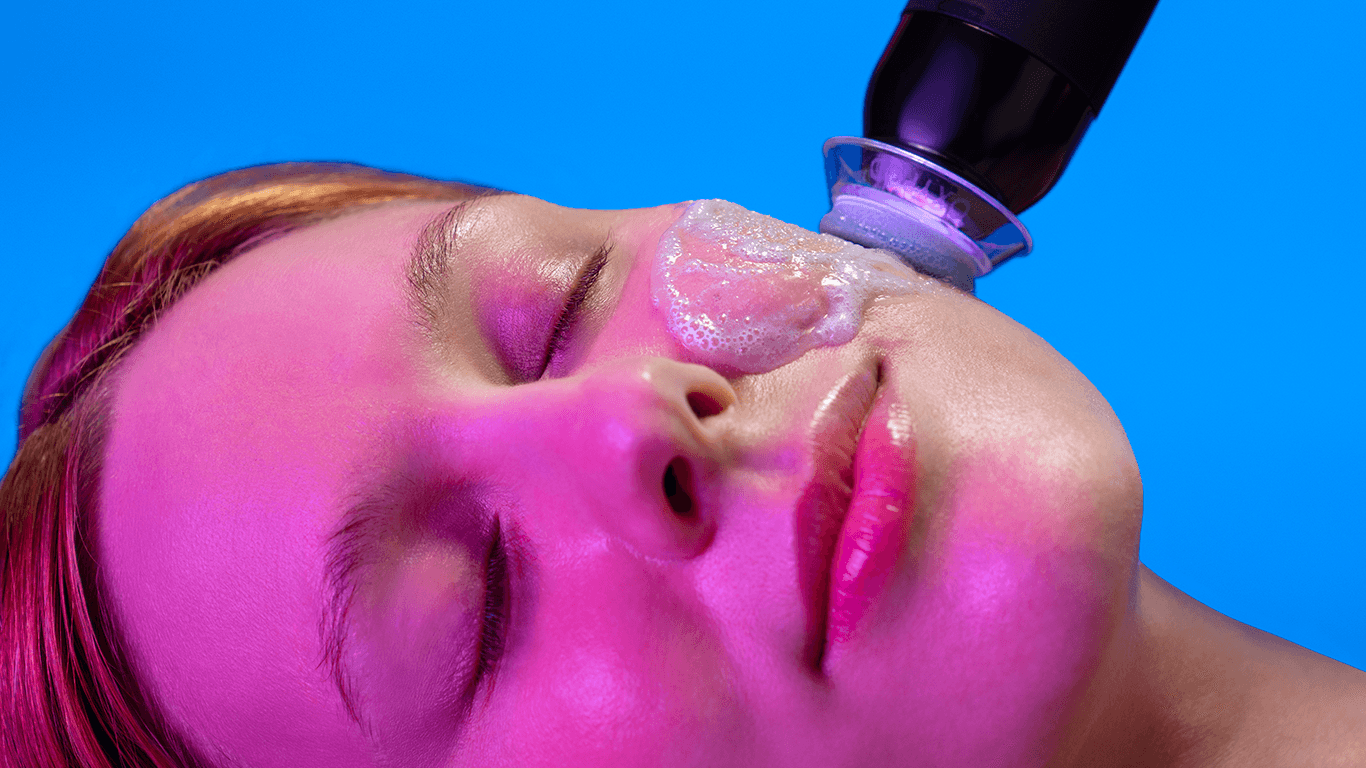
Oxfoliation works by creating a CO2-rich environment on the skin's surface through the OxyPod capsule. The body responds to elevated CO2 by increasing oxygen delivery to the area — a response known as the Bohr effect. This internal oxygenation, combined with simultaneous gentle exfoliation, creates an optimal environment for active ingredient absorption and cellular function. It's not a surface spray. It's a physiological trigger.
This distinction matters when evaluating "oxygen facials" as a category. Surface-applied oxygen doesn't produce the same biological response as internally triggered oxygenation, and the results reflect that difference.
What oxygen-based treatments are good for: Brightness, hydration, circulation, barrier support, and — in the case of internally triggered oxygenation — enhanced ingredient absorption and skin quality.
What they require: Minimal. No downtime, no sensitivity. Well-tolerated across skin types and skin conditions.
Who it's best for: Patients who want consistent, no-downtime skin quality improvement, or who need a treatment compatible with an active calendar. Also well-suited for pairing with other modalities.
Comparing the Three: A Practical Framework
Rather than ranking these treatments against each other, a more useful frame is matching treatment mechanisms to skin concerns.
For structural laxity and firmness: RF is the primary tool. Microneedling contributes through collagen stimulation but works at a shallower structural level. Surface-only oxygen treatments don't address laxity.
For acne scars and textural damage: Microneedling has the strongest evidence base. RF microneedling can accelerate results. Oxygen-based treatments support barrier function and reduce inflammation but don't remodel scar tissue.
For skin quality, brightness, and ongoing maintenance: Oxygen-based treatments — particularly those using internally triggered oxygenation — excel here. They're designed for frequency. They're compatible with essentially every other treatment on the menu. They support the results of everything else you're doing.
For downtime tolerance: RF (non-ablative) and oxygen-based treatments are the no-downtime options. Microneedling requires recovery. If you have a significant event, photoshoot, or travel within 72 hours, microneedling is not the right timing choice.
For combination with injectables: RF and oxygen-based treatments both support and extend injectable results. RF maintains skin structure, which improves how neuromodulators and fillers settle and last. Treatments that stimulate internal oxygenation and circulation support the skin environment, which allows injectables to perform better. Standard microneedling is typically scheduled away from injection sites and timing.
Why Multi-Modality Treatments Are Changing the Conversation
The limitation of evaluating these treatments individually is that most high-performing skin protocols don't rely on a single modality. The patients getting the best long-term results are combining collagen stimulation, skin quality maintenance, and targeted ingredient delivery — not choosing between them.
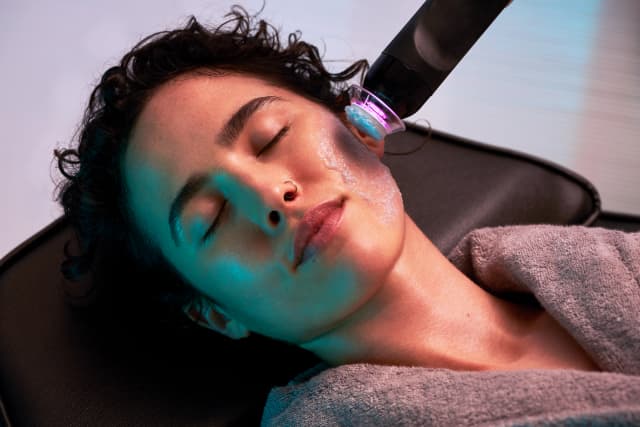
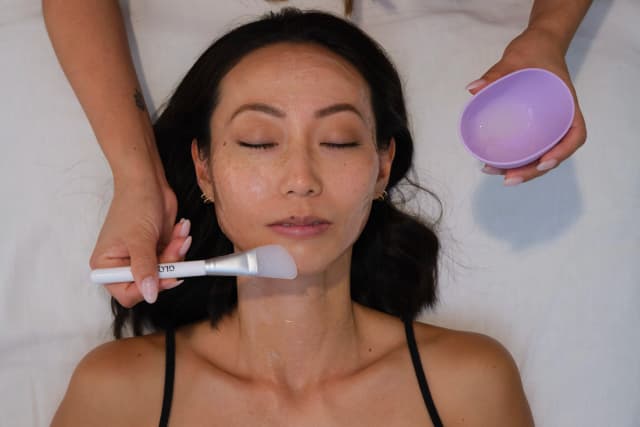
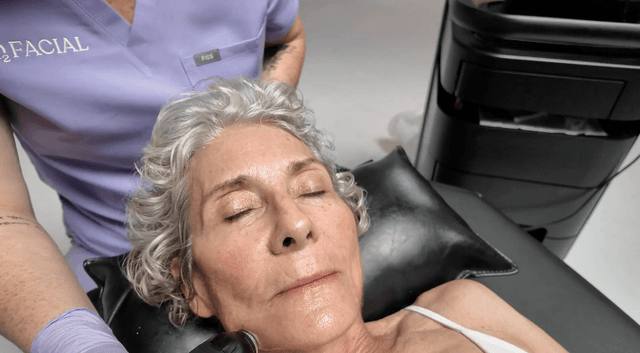
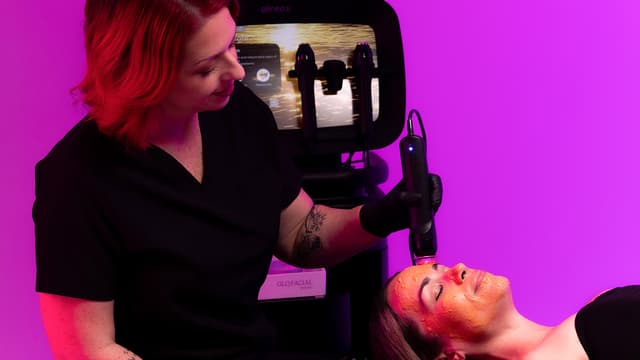
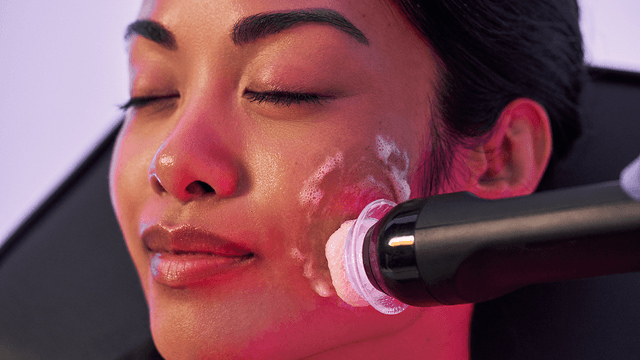
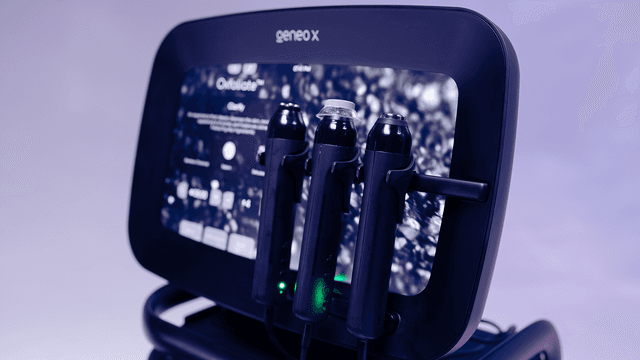
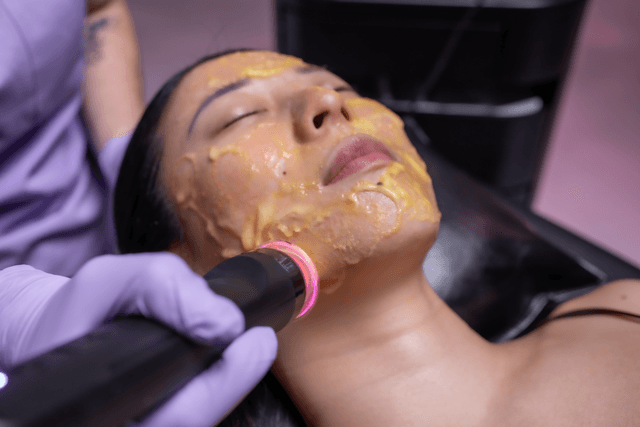
This is where treatments like Glo₂Facial have changed what's possible in a single session. By combining RF Pro (radiofrequency for collagen and elastin), Oxfoliation (internal oxygenation and exfoliation), Ultrasound (ingredient infusion), and Detox (lymphatic circulation), the treatment addresses multiple layers and mechanisms simultaneously — without requiring downtime.
That matters practically. Most patients don't have the recovery time or budget to sequence microneedling, RF, and an oxygen treatment as separate sessions. A multi-modality approach that delivers meaningful improvement across skin quality, firmness, and hydration in one session — with no downtime — changes the economics of skin maintenance.
It also changes the frequency equation. Because Glo₂Facial doesn't create a wound, it can be integrated as a regular monthly or quarterly treatment, stacked with injectables and lasers rather than scheduled around them.
How to Choose
Ask yourself three questions:
What is my primary concern? If it's active scarring or significant laxity, you may need targeted microneedling or medical-grade RF as the anchor of your protocol. If it's overall skin quality, firmness maintenance, or regular upkeep, a multi-modality approach delivers more with less disruption.
How much downtime am I willing to accept? Microneedling's efficacy comes with real recovery. RF and oxygen-based treatments do not. If downtime is a genuine constraint, that narrows the field.
Am I treating an event, or building a long-term result? Treatments that require recovery are better suited to longer planning horizons. No-downtime treatments support a consistent, cumulative approach to skin health — which is how skin actually improves over time.
Frequently Asked Questions
Can I combine microneedling with RF? Yes. RF microneedling devices combine both technologies in a single treatment, delivering thermal energy through the microneedles to stimulate collagen at multiple levels. This is a different protocol from standard microneedling and typically requires more recovery time.
How soon after microneedling can I get an RF or oxygen treatment? Most providers recommend waiting until the skin has fully healed — typically 2–4 weeks — before adding other modalities. Your provider should assess the integrity of the barrier before proceeding.
Is RF safe for all skin tones? Non-ablative RF, which works through heat rather than light, is generally safe across Fitzpatrick skin types. Unlike many laser treatments, it doesn't target melanin, reducing the risk of post-inflammatory hyperpigmentation. Individual assessment by a trained provider is always recommended.
How often should I get an oxygen facial or treatment like Glo₂Facial? Monthly is a common protocol. Because there's no wound-healing process involved, the skin can receive these treatments consistently without cumulative sensitivity. Many patients integrate them as a regular maintenance treatment between more intensive procedures.
What's the difference between a surface oxygen facial and Glo₂Facial's Oxfoliation? Surface oxygen treatments apply pressurized oxygen topically. Glo₂Facial's Oxfoliation uses a patented CO2-based mechanism that triggers the body's own physiological oxygenation response — the Bohr effect. The biological mechanism is different, which is why the skin quality results are more durable than a standard oxygen facial.
Can I get a Glo₂Facial before or after Botox? Glo₂Facial is designed to complement injectables. Glo₂Facial can be performed before injectables to prepare the skin, and after to support and extend results.
The right treatment depends on your skin, your goals, and your lifestyle — not the most popular option at the moment. A provider who assesses your skin concerns individually and builds a protocol around your specific needs will always deliver better outcomes than one-size-fits-all recommendations. Find a Glo₂Facial provider near you.
 by Savannah Barrett, Medical Esthetician & Education at Glo₂Facial