
Booking a professional facial for the first time — or for the first time at a med spa rather than a day spa — raises a lot of questions. Not the surface-level kind that get answered in a brochure, but the real ones. The ones people search at 11pm before they book an appointment.
What actually happens during a facial? Will it hurt? Will my skin look worse before it looks better? How do I know which treatment is right for my skin?
These are smart questions, and they deserve direct answers. What follows is a straightforward breakdown of what first-time facial patients actually want to know — organized by the questions that come up most consistently — along with honest guidance on how to think through your options.
Before You Book
What is the difference between a med spa facial and a regular spa facial?
The environment and the technology involved. A day spa facial is typically performed by a licensed esthetician using manual techniques and topical products. It can be relaxing and beneficial for surface hydration, but it generally does not involve clinical-grade technology.
A med spa facial is performed in a medical aesthetic setting — often under physician oversight — using devices and protocols that go beyond what traditional spa facials can deliver. This includes treatments that use radiofrequency, ultrasound, oxygenation technology, or energy-based modalities to address skin concerns at a deeper level.
The result in a med spa environment tends to be more clinically significant. You are not just cleansing the surface. You are potentially stimulating collagen, improving skin structure, or addressing concerns like laxity, pigmentation, or acne at a biological level.
How do I know which facial is right for my skin?
This is the most common and most important question — and it does not have a single answer because it depends on what you are trying to address.
Start by identifying your primary concern. Surface concerns like dullness, mild congestion, or dehydration respond well to treatments focused on cleansing and topical infusion. Structural concerns — firmness, fine lines, early laxity — require treatments that work at the dermal level to stimulate collagen and elastin production. Inflammatory concerns like acne or redness require treatments that prioritize barrier support and inflammation control over aggressive exfoliation.
A well-designed regenerative facial, like Glo₂Facial, is built around customization specifically for this reason. Rather than applying the same protocol to every patient, treatments are adapted based on what the skin actually needs — which is particularly valuable if your concerns span more than one category.
What should I look for in a facial treatment?
At minimum, look for transparency about how the treatment works and what it is designed to address. Treatments backed by clinical technology and clear mechanisms are more likely to deliver consistent, repeatable results than those marketed primarily on sensory experience.
Beyond that, customization matters. Your skin changes with the season, your stress levels, your hormones, and your treatment history. A facial that can adapt to those shifts — session by session — will serve you better than one that follows a fixed protocol regardless of what your skin is doing.
What to Expect During Treatment
Does a professional facial hurt?
Most non-invasive facial treatments do not hurt. Some may involve mild sensations — warmth from radiofrequency, slight tingling from active ingredients, or mild suction — but these are generally well-tolerated and not painful.
Treatments involving microneedling or certain chemical peels carry more sensation and may require numbing. But for non-invasive technology-based facials, discomfort is not typically part of the experience.
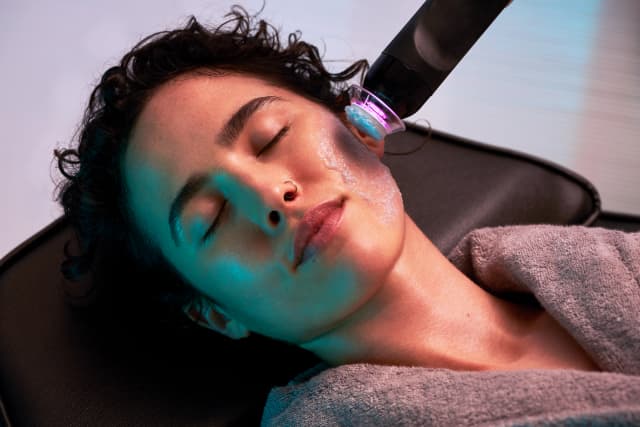
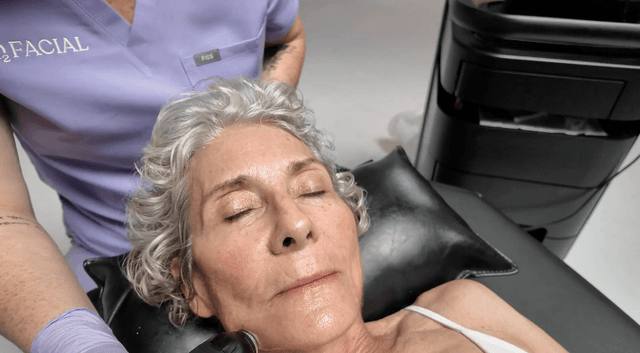
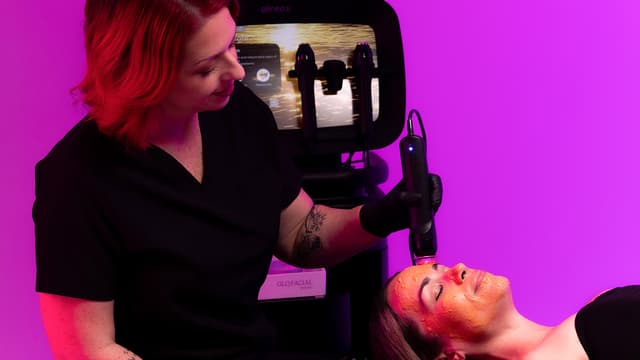
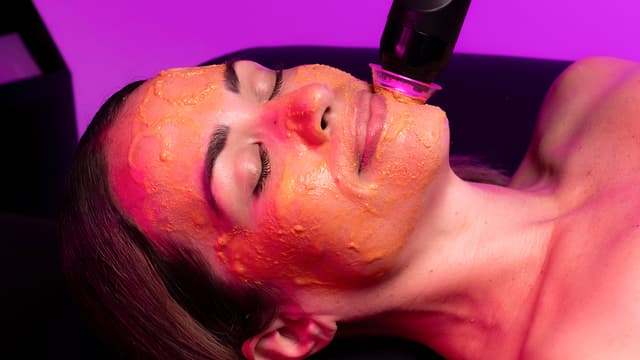
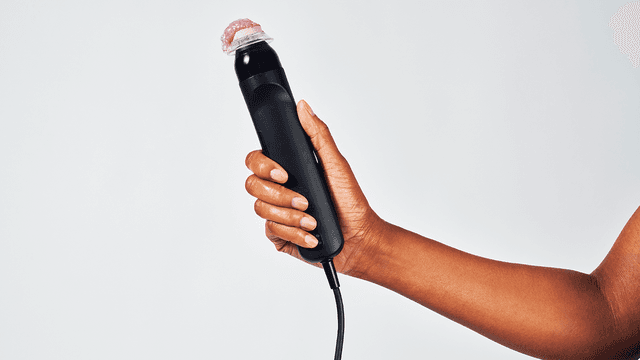
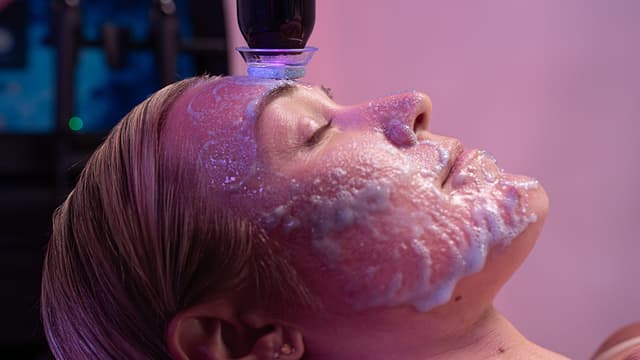
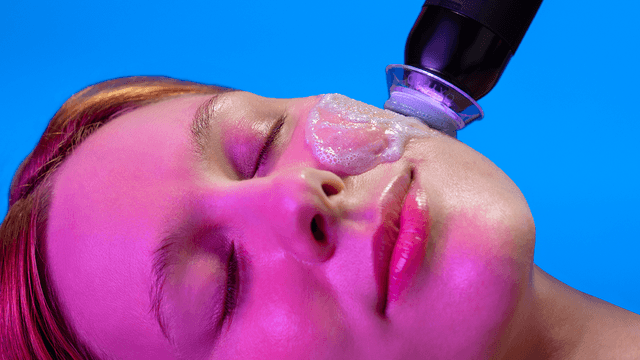
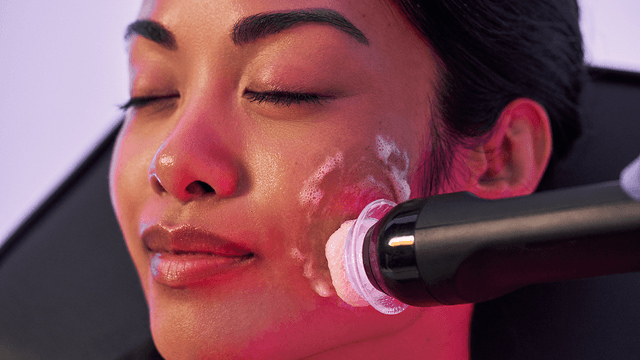
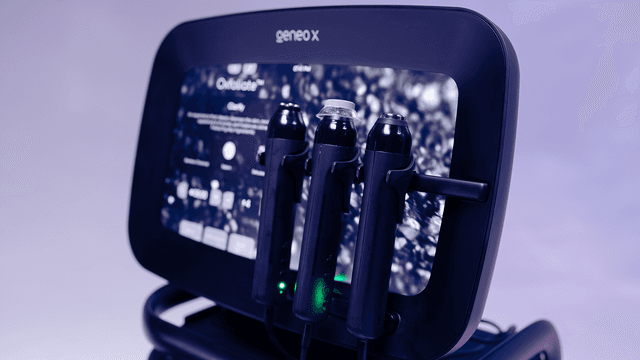
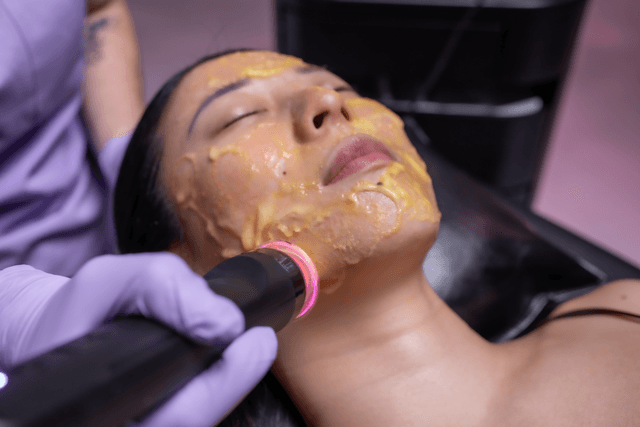
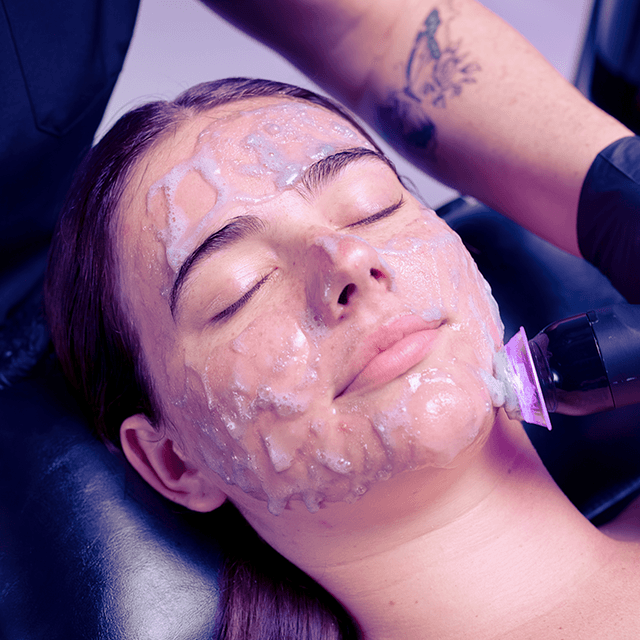
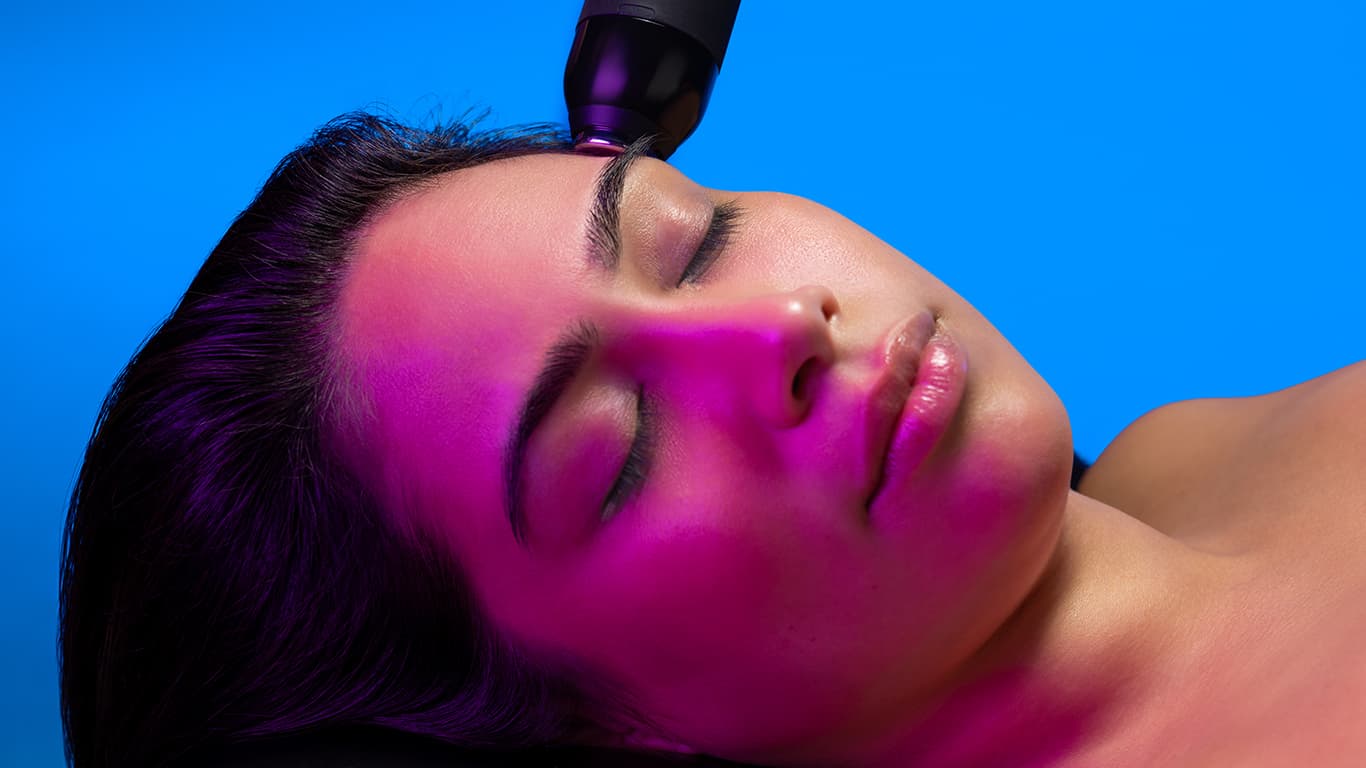
Glo₂Facial, for example, is designed to be comfortable throughout. The RF Pro step produces a mild warming sensation as radiofrequency energy is delivered into the dermis. The Oxfoliation and Detox steps are gentle by design. Most patients describe the experience as relaxing, which is notable given the clinical work happening beneath the surface.
How long does a facial treatment take?
Most professional facial treatments run between 45 and 90 minutes depending on the protocol and add-ons. A standard Glo₂Facial treatment typically runs around 60 minutes, which makes it practical for working adults who cannot afford extended recovery or lengthy appointments.
Will I need to do anything special before my appointment?
Generally, yes. Most providers recommend arriving with clean skin — no heavy makeup, no active retinoid use for 24–48 hours prior, and avoiding sun exposure before the appointment. If you are on prescription acne medications or active treatments, it is worth disclosing this at the time of booking so the provider can adjust the protocol accordingly.
For treatments that involve RF or oxygenation technology, there is typically no elaborate pre-treatment requirement. Show up, discuss your skin goals, and let the provider customize from there.
Skin Concerns and Candidacy
Is a professional facial safe for sensitive skin?
Yes, if the treatment is properly customized. Sensitive skin does not disqualify you from professional facial treatments — but it does mean you need a treatment that can be dialed down in intensity and adapted to your skin's current condition.
This is where customizable platforms have a clear advantage. Glo₂Facial's Protect customization, for example, is specifically formulated for inflamed, reactive, or barrier-compromised skin — using soothing botanicals and barrier-supporting ingredients rather than aggressive actives. Sensitive skin can still receive clinical-level treatment; it just needs to be approached differently.
Is a professional facial good for acne-prone skin?
Yes, but the right treatment matters. Many traditional acne facials rely on aggressive exfoliation or extraction, which can temporarily clear congestion while simultaneously irritating and inflaming the skin — setting up a cycle of clearing followed by flare-ups.
More effective approaches address acne through a combination of gentle purification, barrier support, and inflammation control. Glo₂Facial's Clarify customization targets breakout-causing bacteria and excess oil without stripping the skin. Paired with Protect or Hydrate depending on the patient's skin condition, it addresses acne in a way that respects skin integrity rather than overriding it.
Can I get a facial if I have active breakouts?
In most cases, yes — though it depends on the severity and the treatment. Active inflammatory breakouts are not automatically a contraindication for professional facials, but they do change which protocol is appropriate. Treatments that are too aggressive on actively inflamed skin can worsen redness and irritation. A provider who can adjust the protocol for your current skin condition — choosing calming and purifying options over high-intensity exfoliation — is what you are looking for in this situation.
I use retinoids and prescription skincare. Can I still get a facial?
Yes, with some considerations. Active retinoid use increases skin sensitivity, which means certain treatments need to be adjusted. Most providers recommend pausing retinoid application for 24–48 hours before a facial, particularly if the treatment involves exfoliation or energy-based technology.
That said, regular professional facials and active skincare routines work well together when sequenced properly. Treatments like Glo₂Facial's Hydrate customization can actually complement retinoid use by restoring moisture balance and supporting the skin barrier — counteracting dryness and sensitivity that often accompany active skincare.
Results and Aftercare
How long will facial results last?
It depends on the treatment and the concern being addressed. Surface-level results — brightness, hydration, reduced congestion — often last one to two weeks before the skin returns to baseline. This is typical of treatments focused primarily on the epidermis.
Treatments that stimulate collagen production and dermal activity deliver cumulative results that build over time. With consistent sessions, improvements in firmness, texture, and skin resilience continue to develop between appointments rather than fading back to baseline. This is the core advantage of regenerative treatment over surface maintenance.
Most providers recommend a series of three to six sessions spaced four to six weeks apart to establish meaningful improvement, followed by ongoing maintenance every four to eight weeks.
Will my skin look worse before it looks better?
With most non-invasive technology-based facials, no. You should not expect a purging period or extended redness following a treatment like Glo₂Facial. Most patients leave with improved radiance and calmer skin rather than irritation.
Treatments that involve deeper resurfacing — certain chemical peels, microneedling, ablative lasers — can involve a few days of redness or peeling as part of the healing process. But for non-invasive regenerative facials, this is not typical.
What should I avoid after a facial?
Most providers recommend avoiding direct sun exposure, heavy exercise, and active skincare products for 24 hours post-treatment. Keeping the skin hydrated and protected with SPF is standard aftercare for any professional facial.
For treatments involving RF or oxygenation technology, there is typically no extended restriction period. You can return to normal activities the same day — which is one of the practical advantages of no-downtime treatment protocols.
How often should I get a professional facial?
For maintenance of skin quality and collagen support, most providers recommend every four to six weeks. This aligns with the skin's natural cell turnover cycle and allows treatments to build on each other rather than starting from zero each session.
More frequent treatments are sometimes appropriate during an initial correction phase. Less frequent treatments — every six to eight weeks — can be sufficient for patients in a stable maintenance phase.
Making the Right Choice
What questions should I ask before booking?
Ask what the treatment is designed to address at a biological level — not just what it looks like on the surface. Ask whether the protocol is customizable to your skin condition and whether it can be adapted if your skin changes between sessions. Ask what results you can realistically expect and over what timeframe.
Providers who can answer these questions clearly — without overpromising or relying on marketing language — are the ones most likely to deliver consistent outcomes.
Is one treatment enough, or do I need a series?
For most meaningful skin quality improvements, a series is more effective than a single treatment. Think of professional facials the way you think about any health-supporting habit — the benefit compounds with consistency. A single session produces visible improvement. A series produces structural change.
That said, a single treatment is a reasonable starting point. It gives you a sense of how your skin responds, what the experience is like, and whether the protocol feels right for your goals.
How does Glo₂Facial fit into a broader skincare plan?
Glo₂Facial is designed to function as an ongoing skin health strategy — not a one-time event. Its combination of RF Pro collagen stimulation, Oxfoliation-driven oxygenation, ultrasound infusion, and lymphatic Detox makes it effective as a standalone maintenance treatment and as a complement to injectables, lasers, and other aesthetic procedures.
For patients already invested in their skin — whether through injectables, prescription skincare, or other treatments — Glo₂Facial extends and supports those results rather than competing with them. Skin that is regularly regenerated from within tolerates and responds better to virtually every other aesthetic treatment it encounters.
The most important thing a first-time facial patient can do is ask good questions and find a provider who gives direct, honest answers. The right treatment is the one that is matched to your skin's actual needs — not the most popular option or the one with the most dramatic before-and-after.
For patients who want more than a surface refresh — who want skin that functions better, firms gradually, and holds up over time — the distinction between a surface facial and a regenerative treatment is worth understanding before you book.
Skin that regenerates from within looks better because it is better. That is the standard worth seeking out.
Frequently Asked Questions
What is the best facial for first-time patients? The best first facial is one that is customizable to your skin condition and clearly designed to address your primary concern — whether that is hydration, congestion, early aging, or sensitivity. Non-invasive, no-downtime treatments are a strong starting point because they deliver visible results without the recovery commitment of more aggressive procedures.
How do I know if a facial is working? You should notice improvement in your skin's texture, hydration, and overall quality over the course of a treatment series. After a single session, most patients notice improved radiance and reduced puffiness. Over multiple sessions, improvements in firmness, clarity, and skin resilience become more apparent.
Can a facial replace my skincare routine? No. Professional treatments and at-home skincare are complementary, not interchangeable. A good at-home routine — including SPF, barrier-supporting moisturizer, and appropriate actives — amplifies professional treatment results and maintains them between sessions.
Is a regenerative facial worth it compared to a basic facial? For patients focused on long-term skin quality rather than a surface refresh, yes. Regenerative treatments address the biology of aging skin — collagen decline, reduced elastin, slower cellular turnover — in a way that basic facials cannot. The investment is in skin health that compounds over time, not a temporary improvement in brightness.
What should I tell my provider before a facial? Disclose your current skincare routine, any prescription medications or topical treatments, recent procedures, known sensitivities, and your primary skin concerns. The more context a provider has, the better they can customize the treatment to your skin's actual condition.
 by Emma Grubaugh, Aesthetic Marketing Expert at Glo₂Facial