
What Actually Improves Texture, Tone, and Firmness
Your 40s are less about dramatic correction and more about strategic support.
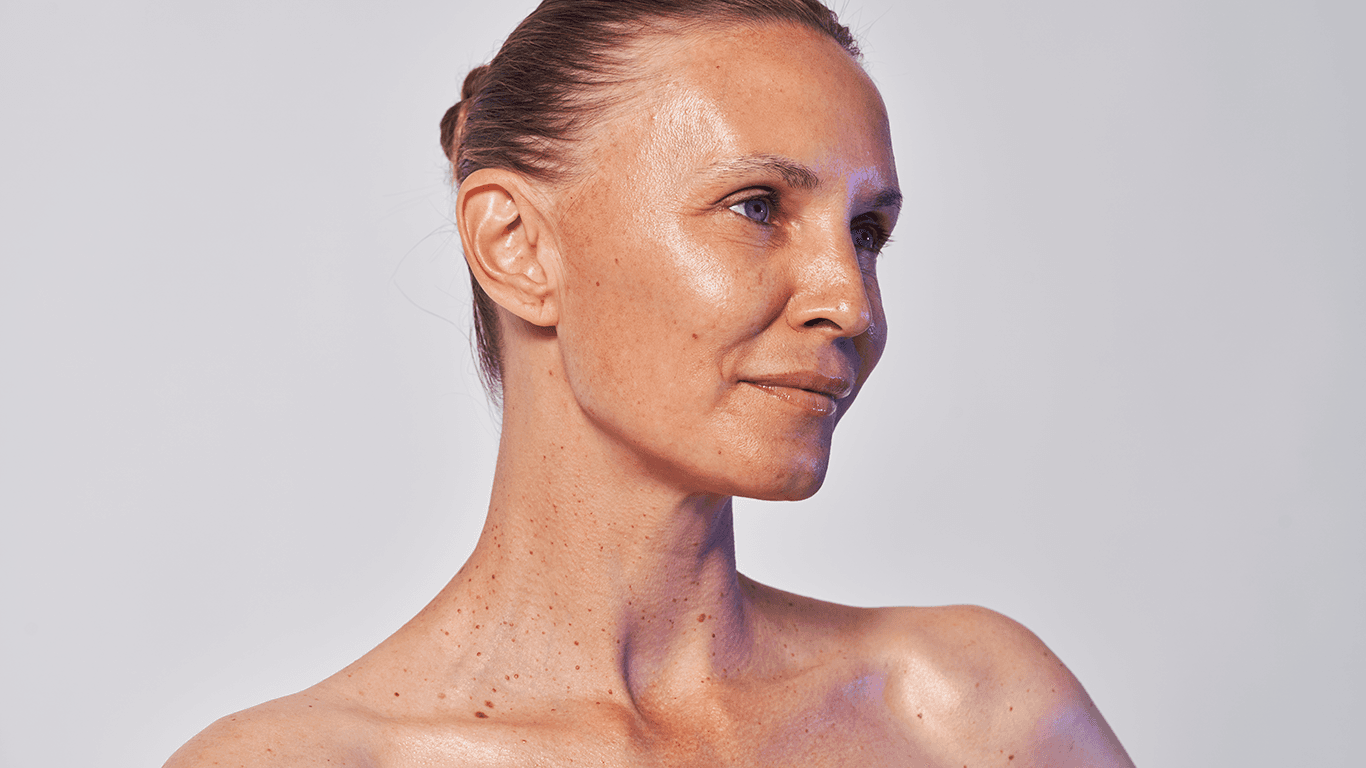
Collagen declines more noticeably. Hormonal fluctuations affect hydration and elasticity. Skin may look thinner, slightly looser, and less luminous than it did a decade ago. Pigmentation from cumulative sun exposure often becomes more visible.
The most effective treatments in your 40s don’t overwhelm the skin. They stimulate collagen, preserve barrier integrity, and improve texture and tone in a way that looks natural.
Here’s what actually works — and how to combine treatments intelligently.
What Changes in Your Skin During Your 40s?
This decade typically brings:
Gradual loss of firmness and elasticity
Fine lines that linger at rest
Slower cell turnover
Increased dryness
Uneven tone and sun damage
As skin recovery slows, aggressive treatments can lead to more downtime than benefit. That’s why thoughtful sequencing and prep matter more than ever.
1. Collagen-Supportive Facials
Best for: Early laxity, dullness, and overall skin quality
Collagen support is foundational in your 40s. Treatments that stimulate circulation, encourage renewal, and maintain hydration tend to deliver consistent, sustainable improvement.
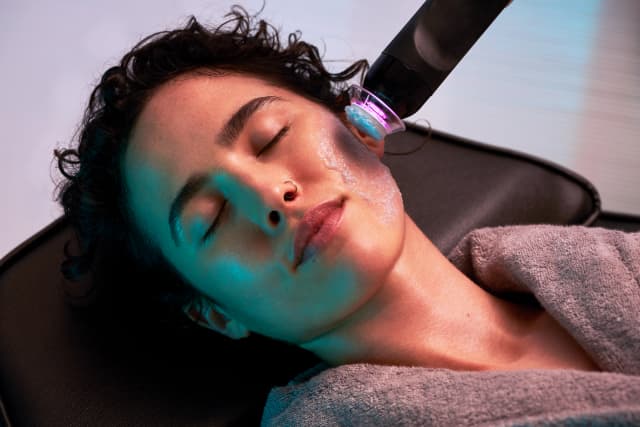
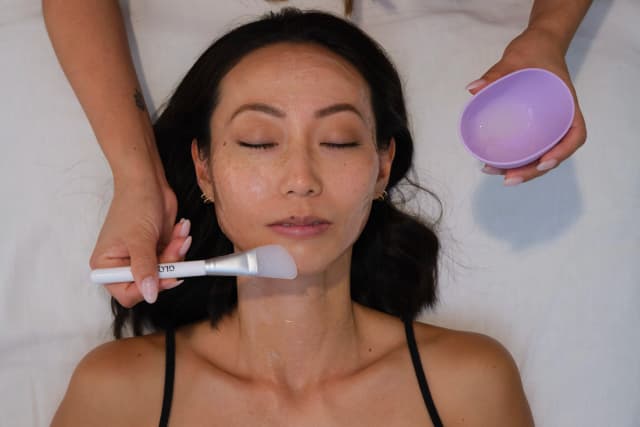
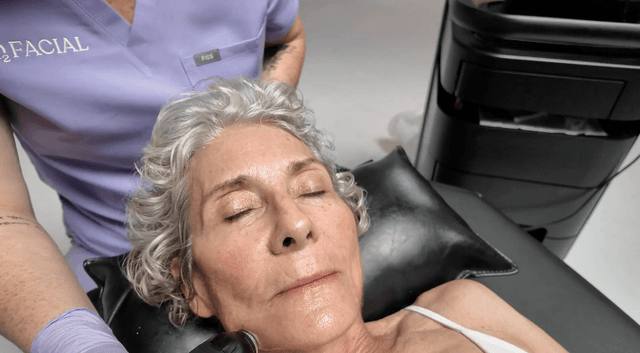
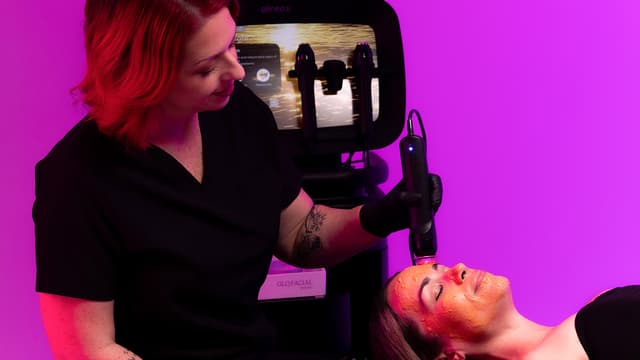
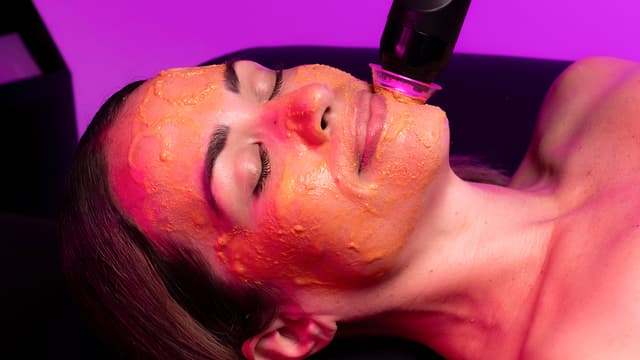
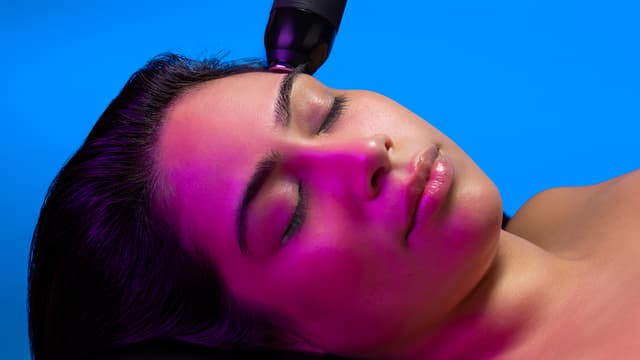
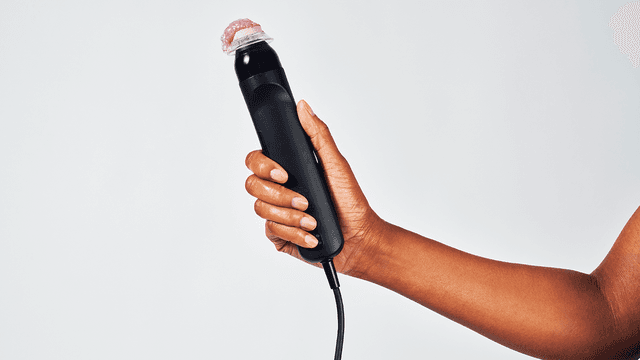
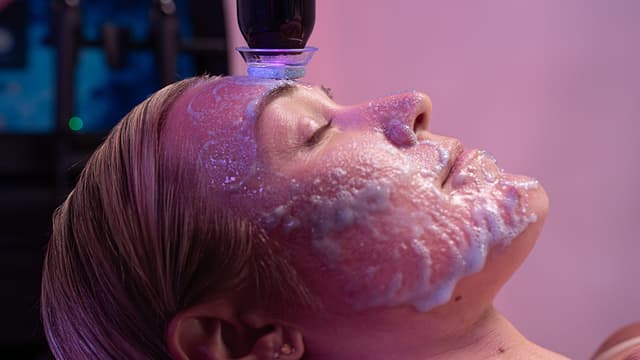
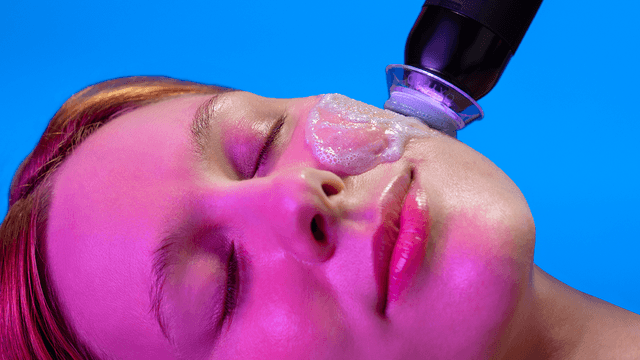
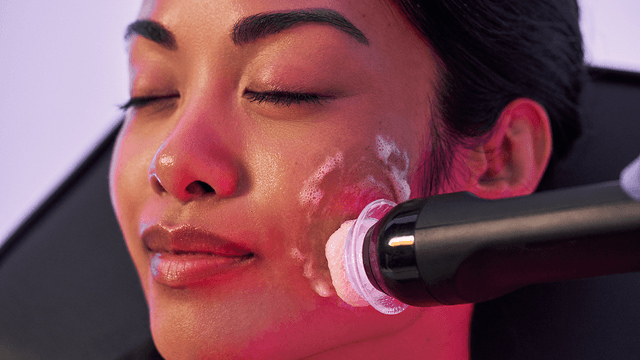
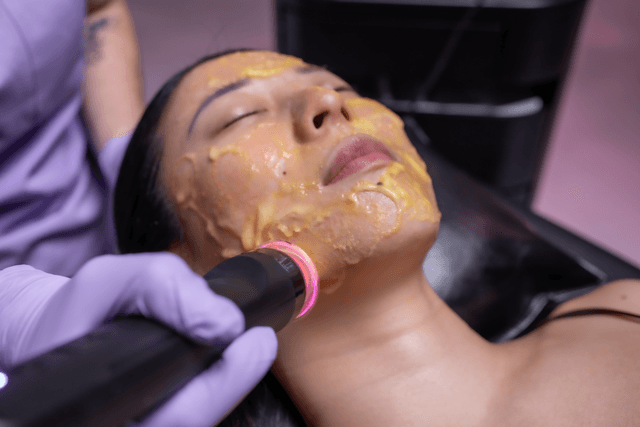
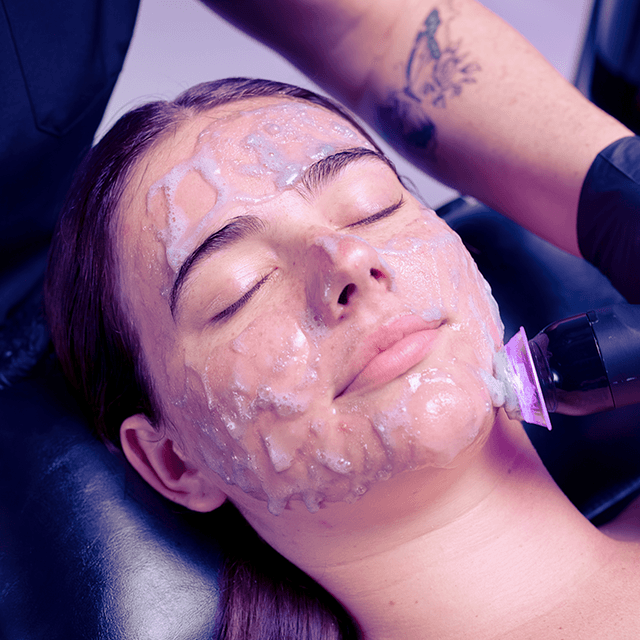
Customizable regenerative treatments like Glo₂Facial are particularly useful in this decade because they combine:
Gentle exfoliation
Oxygenation to support circulation
Targeted ingredient infusion
Rather than creating trauma, this approach enhances skin function.
Glo₂Facial Hydrate Customization
Best for: Dryness, fine lines, and hormonal dehydration
Hydrate supports moisture balance, improves plumpness, and helps skin look smoother and more resilient. In your 40s, hydration isn’t cosmetic; it directly impacts elasticity and barrier strength.
Glo₂Facial Firm Customization
Best for: Mild laxity and loss of firmness
Firm focuses on improving skin tightness and supporting collagen structure. Used consistently, it can help reinforce skin quality without the downtime associated with more aggressive tightening procedures.
2. Non-Invasive Skin Tightening
Best for: Mild to moderate skin laxity
Non-invasive tightening treatments continue to perform well in this decade, especially when done in a series.
These treatments:
Stimulate gradual collagen remodeling
Improve skin firmness over time
Support jawline and lower-face structure
The key is realistic expectations and consistent scheduling. Subtle, cumulative improvement tends to age better than aggressive correction.
3. Laser Treatments for Tone and Pigmentation
Best for: Sun damage and uneven texture
By your 40s, pigment irregularities are common. Laser treatments remain one of the most effective ways to address sun damage and improve skin clarity.
However, prep and recovery matter.
Using a collagen-supportive facial like Glo₂Facial before laser treatments can help:
Optimize skin hydration
Support barrier integrity
Improve overall skin resilience
Well-prepared skin often tolerates laser treatments better and recovers more efficiently. Many providers integrate regenerative facials between laser sessions to maintain results and reduce irritation.
4. Hydration-Focused Treatments
Best for: Fine lines and texture exaggeration
Fine lines often appear deeper in dehydrated skin. Hydration-focused treatments improve:
Surface smoothness
Elasticity
Light reflection
The Hydrate customization within Glo₂Facial is particularly beneficial during hormonal transitions when dryness becomes more persistent.
5. Preventative Maintenance Strategies
Best for: Long-term aging support
The biggest shift in your 40s is from reactive to preventative care.
An effective plan often includes:
Monthly or bi-monthly regenerative facials
Periodic non-invasive tightening
Targeted laser sessions for pigmentation
Consistent at-home barrier support and SPF
Rather than chasing dramatic change, this layered strategy maintains firmness and tone while preserving skin integrity.
What to Avoid for Your Skin in Your 40s
Overly aggressive resurfacing or stacked procedures can:
Increase inflammation
Extend downtime
Disrupt the barrier
Skin in this decade benefits more from sequencing and restraint than intensity.
A Sample Treatment Plan for Aging Skin in Your 40s
While every plan should be personalized, a balanced approach might look like:
Every 4–6 weeks:
Regenerative Glo₂Facial with Hydrate or Firm customization to maintain collagen and barrier strength.
Every 3–6 months:
A series of non-invasive tightening treatments to support gradual firmness.
1–2 times per year:
Laser treatments for pigmentation, with regenerative Glo₂Facial to prep beforehand to optimize skin condition.
This approach supports structure, clarity, and resilience without overwhelming the skin.
In your 40s, the goal is preservation and intelligent stimulation. Treatments that support collagen, maintain hydration, and protect the barrier deliver the most sustainable improvements in texture, tone, and firmness. When sequenced properly, regenerative facials, tightening treatments, and lasers can work together, not compete, to maintain long-term skin quality.
Frequently Asked Questions
What is the best facial treatment for aging skin in your 40s?
The most effective treatments support collagen and hydration while preserving barrier integrity. Customizable regenerative facials like Glo₂Facial are often ideal because they adapt to hormonal and environmental changes.
Is Glo₂Facial good in your 40s?
Yes. Glo₂Facial is well-suited for this decade because it improves texture and hydration while supporting collagen without aggressive trauma. It also works well as prep before laser treatments.
How often should you get treatments in your 40s?
Most providers recommend maintenance every 4–6 weeks, with tightening and laser treatments scheduled strategically throughout the year.
Should you focus on tightening or hydration first?
Hydration and barrier strength are foundational. Well-hydrated, resilient skin typically responds better to tightening treatments.
 by Savannah Barrett, Medical Esthetician & Education at Glo₂Facial