
I've been practicing dermatology on the Upper East Side for over two decades. In that time, I've seen a lot of ingredients come and go. Retinol. Peptides. Growth factors. Every few years, something new arrives with a lot of noise around it, and the question I always ask is the same: is this going to hold up?
Exosomes have held up.
Not because of the marketing around them — there's plenty of that — but because of what I'm actually seeing in my patients. Better texture. Faster recovery. Skin that looks and behaves younger without the collateral damage that used to come with results like these. After years of telling patients that good outcomes require some discomfort and some downtime, exosomes have quietly made me reconsider that assumption.
Here's what I tell providers who are just getting started with them.
Exosomes Are Not an Ingredient. They're a Signal.
The biggest misconception I encounter is that exosomes are just another active to layer into a treatment. They're not. They're signaling molecules — biological messengers that tell your cells what to do. They instruct fibroblasts to produce collagen. They direct the skin to decrease inflammation and ramp up its natural healing processes. They don't replace what the skin already knows how to do. They remind it.
This distinction matters clinically. When we apply a retinol or an acid, we're creating a controlled injury or a chemical change and waiting for the skin to respond. With exosomes, we're communicating directly with the cells — starting a conversation rather than forcing a reaction. The result is regeneration that feels native to the skin, not imposed on it.
That's also why they work for everyone. I use them on younger patients with post-acne scarring and on perimenopausal patients dealing with laxity, dryness, and the texture changes that come with declining estrogen. The signaling mechanism doesn't discriminate by skin type, age, or condition. In all my years of practice, I can count on one hand the number of ingredients I'd say that about.
The Inflammation Connection Most Providers Are Still Underweighting
A decade ago, we weren't talking about inflammation the way we do now. We didn't have the research on the skin microbiome that we have today. Now we know that inflammation is the root of nearly every skin concern we treat — acne, accelerated aging, compromised barrier function, uneven texture.
Plant-based exosomes address inflammation at the signaling level. They don't suppress it the way a topical steroid might. They communicate with the skin to halt the inflammatory cascade — the kind triggered by pollution, diet, stress, UV exposure — and create an environment where the skin can actually repair itself. When inflammation is quieted, everything we do after that works better. Injectables settle more naturally. Lasers heal more efficiently. Home care actually penetrates.
I think of it as clearing the line before you make the call. The skin can finally hear the message.
Why Delivery Is Everything — And Where Some Exosome Products Fall Short
Here's the clinical reality that gets lost in the consumer conversation about exosomes: Some exosome products never actually reach the skin in a functional state. Exosomes are fragile. When delivered in a liquid format — a serum, a cream, an ampoule — they begin to degrade on contact with water. The hydrolytic breakdown compromises their molecular structure before they can interact with skin cells in any meaningful way.
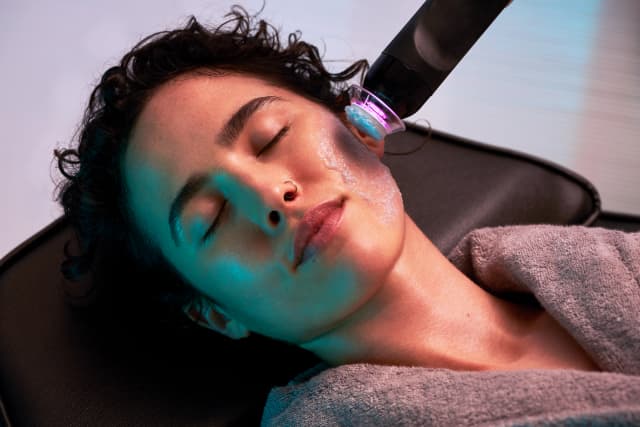
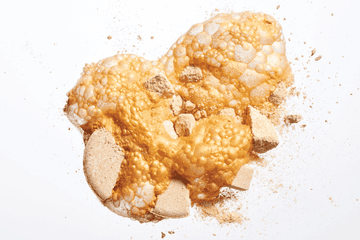
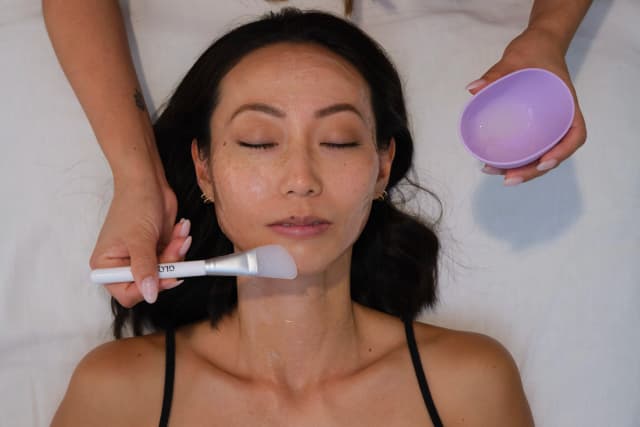
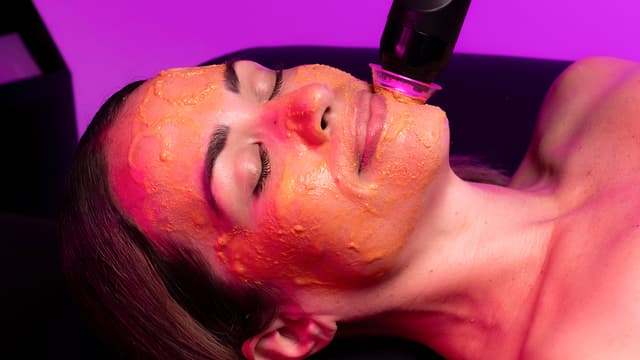
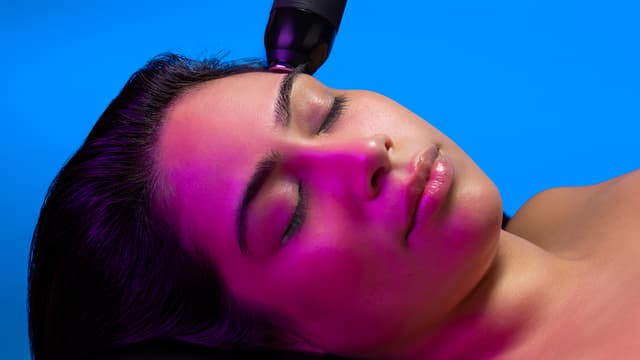
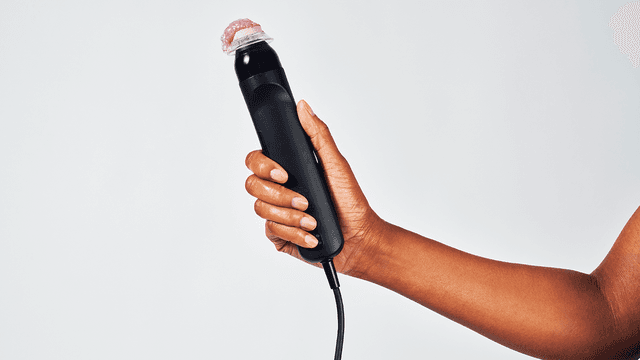
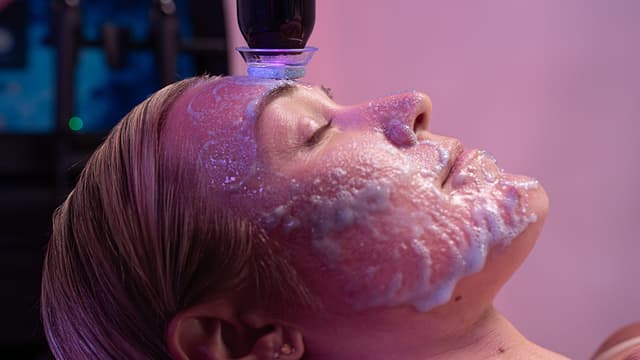
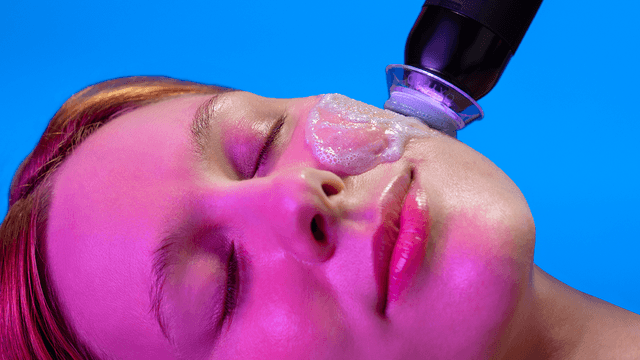
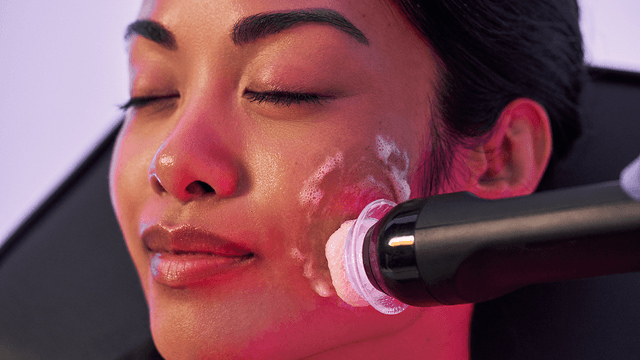
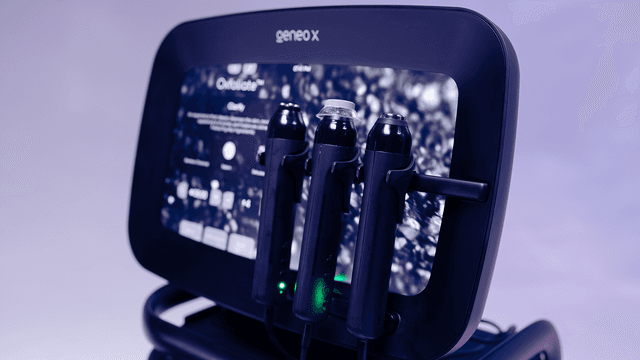
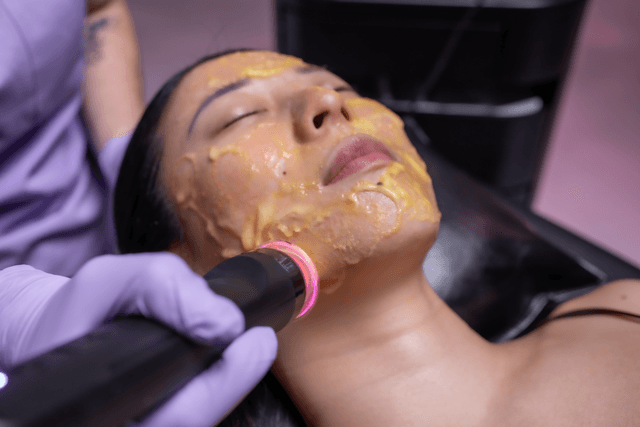
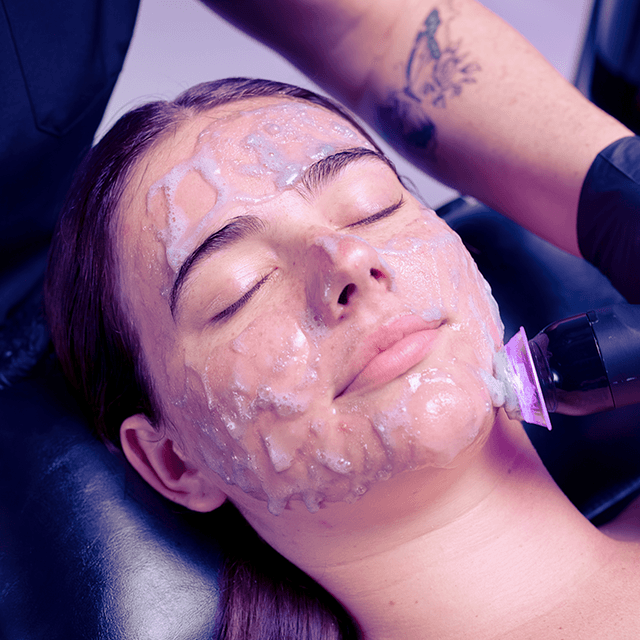
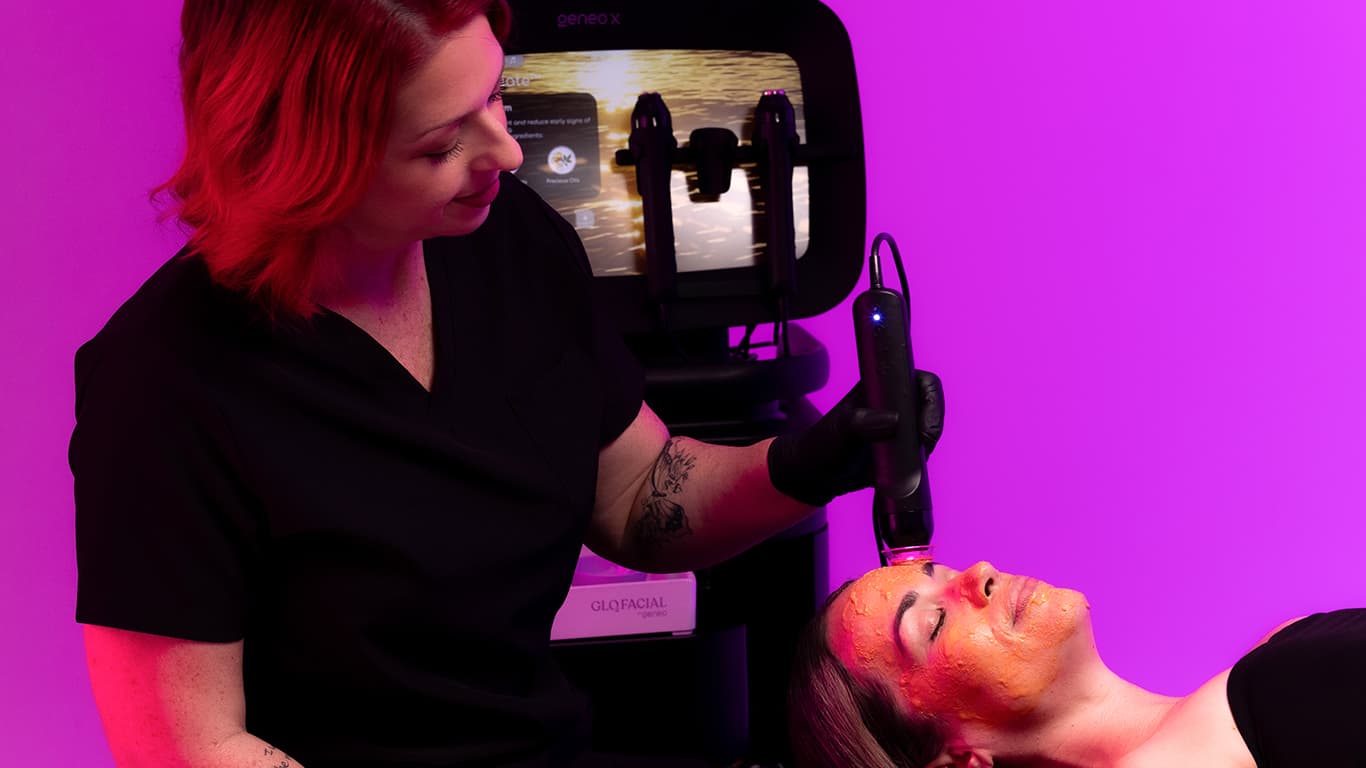
This is the problem that drew me to ExoFirm. The exosomes in the OxyPod are preserved in a dry state until the moment of treatment. When the pod contacts the primer gel, activation begins — and you have a precise delivery window of approximately five minutes. Long enough for absorption. Not long enough for degradation. The Oxfoliation process that precedes delivery creates an oxygen-rich environment at the skin's surface and removes the barrier of dead cells, so what's being delivered has every structural advantage to actually get in and do its work.
For providers who have been skeptical about exosome efficacy — and skepticism is warranted, given how saturated the market is — delivery mechanism is the right thing to scrutinize. Stability and delivery are what separate a functional exosome treatment from an expensive placebo.
How I Use ExoFirm in Practice
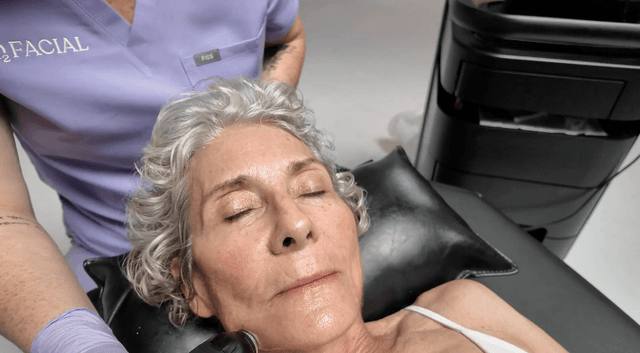
I rotate my texture patients through three devices: a thermal resurfacing device, a microneedling device, and a fractional laser. In almost every case, the Glo₂Facial with ExoFirm is part of that rotation — and more often than not, it's the first step.
The Oxfoliation phase preps the skin and gets the exosomes into the tissue before we introduce any device-based intervention. Once the signaling has started and the environment is optimized, we follow with whichever procedure is appropriate for that patient that day. After microneedling or fractional lasers, I flood the skin with additional exosome product during the ultrasound step and send patients home with take-home exosomes to use within that 24-hour window while the channels are still open.
The sequencing matters. Exosomes don't compete with the other tools in your practice. They make those tools work better. I've stopped thinking of the Glo₂Facial as a standalone facial option and started treating it as the foundation of any treatment day — the step that primes the skin to receive everything else.
For perimenopausal and postmenopausal patients specifically, ExoFirm has become a go-to. The loss of estrogen accelerates collagen breakdown and depletes the skin's ability to retain moisture. The ingredient portfolio in ExoFirm — the CICA exosomes, carnosine, copper peptides, palmitoyl tetrapeptide-7, polyglucuronic acid — addresses that environment directly. These patients aren't looking for a dramatic procedure. They want their skin to look like theirs again. ExoFirm consistently delivers that.
What I Tell Providers Who Are on the Fence
If you're already offering more foundational customizations as your default because they feel safe and universally applicable, I understand the logic. But if your practice is outcomes-focused — if your patients are coming to you because they want results — it's time to move up the intensity scale.
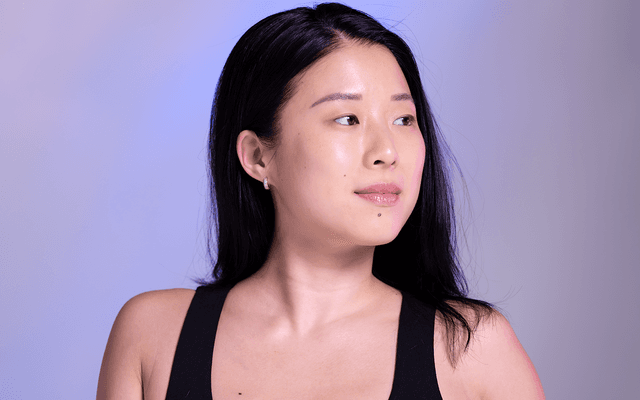
ExoFirm gives you instant visible improvement without any downside to manage or explain. Patients leave looking better than when they walked in, and they come back because the results compound over time. That's the combination that builds a practice.
Exosomes aren't a trend. They're going to be part of standard of care the same way retinol and antioxidants became non-negotiable. The providers who integrate them now — and who understand the science well enough to explain it to patients — are going to be the ones leading this category in five years.

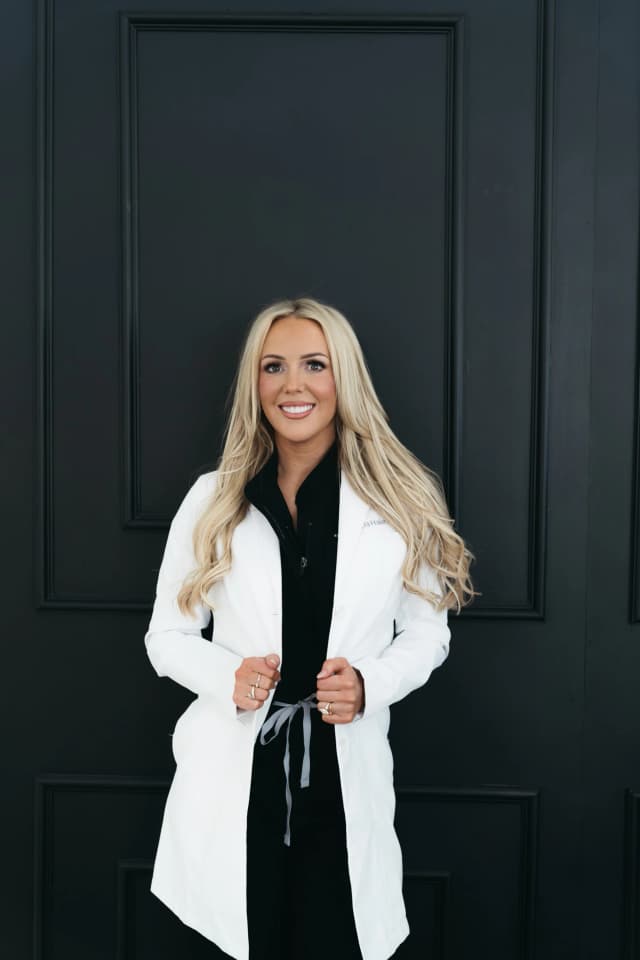
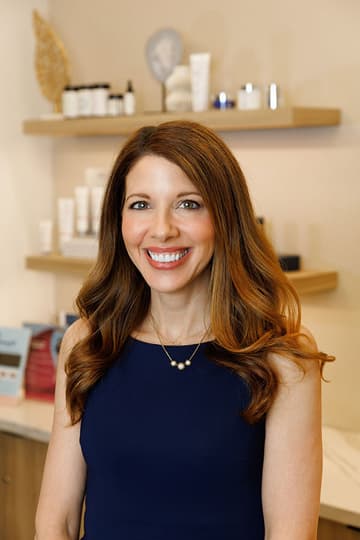
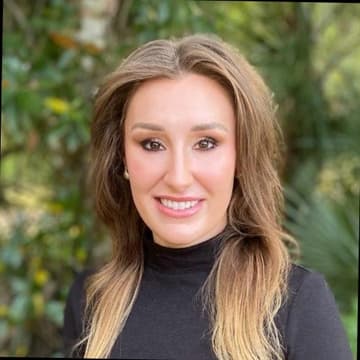
Dr. Gervaise Gerstner, MD is a board-certified dermatologist based in Manhattan. She sees patients across the full spectrum of medical and cosmetic dermatology — from active acne and scarring in younger patients to age-related texture and laxity in mature skin — with a practice built on bespoke, outcomes-driven protocols.
 by Gervaise Gerstner, MD, Dermatologist at Gerstner Dermatology in NYC